
Hospital Rooms at AS Medical Complex
Contact hospital
- Availability
Contact hospital
- Booking
WhatsApp / call
- Location
Islamabad
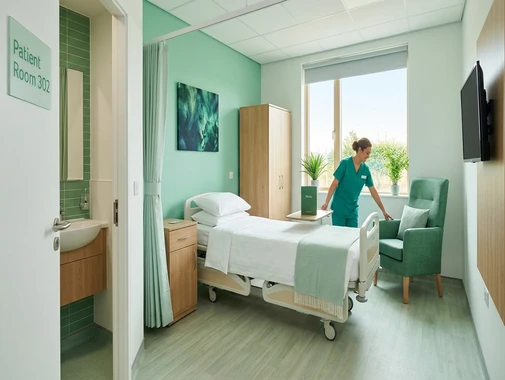
Comfortable, Safe & Patient-Centred Inpatient Accommodation
The Patient Rooms at AS Medical Complex are designed to support patients who require hospital admission for medical treatment, surgery, observation, recovery, or ongoing inpatient care.
A hospital room is more than a place to stay overnight.
It is an important part of the patient's clinical-care environment, where doctors, nurses, pharmacists, therapists, and other healthcare professionals may provide:
-
Medical treatment
-
Nursing care
-
Medication
-
Monitoring
-
Recovery after surgery
-
Diagnostic follow-up
-
Dietary support
-
Rehabilitation
-
Specialist consultation
-
Discharge preparation
Our approach to inpatient accommodation focuses on the combination of:
-
Patient comfort
-
Privacy
-
Clinical safety
-
Accessibility
-
Cleanliness
-
Infection prevention
-
Nursing support
-
Family communication
-
Appropriate monitoring
-
Coordinated hospital care
Depending on the patient's clinical condition, admission category, room availability, infection-control requirements, and hospital policy, patients may be accommodated in private, shared, higher-comfort, or general inpatient areas where available.
Specific room categories, room photographs, prices, occupancy limits, and included amenities should be confirmed by AS Medical Complex before publication rather than copied from another hospital.
Our Inpatient Room & Accommodation Services
Depending on availability and the clinical requirements of the patient, inpatient accommodation at AS Medical Complex may include:
-
Private patient rooms where available
-
Shared patient rooms where available
-
General inpatient accommodation
-
Higher-comfort accommodation where available
-
Medical inpatient rooms
-
Surgical inpatient rooms
-
Postoperative accommodation
-
Gynecology inpatient accommodation
-
Maternity-related inpatient accommodation
-
Pediatric inpatient accommodation where clinically appropriate
-
Rooms for patients requiring extended observation
-
Nursing support
-
Doctor rounds
-
Medication administration
-
Vital-sign monitoring
-
Clinical documentation
-
Laboratory coordination
-
Diagnostic-imaging coordination
-
Dietary support according to medical requirements
-
Mobility assistance where required
-
Fall-risk precautions
-
Infection-prevention measures
-
Visitor guidance
-
Discharge planning
-
Referral or transfer to higher-acuity areas when required
A patient who requires ICU, HDU, NICU, PICU, isolation, continuous advanced monitoring, or another specialized clinical environment should be placed according to medical need rather than personal room preference.
Choosing the Appropriate Patient Room
Hospital room allocation is different from hotel accommodation because the patient's medical condition comes first.
Room selection may depend on:
-
Clinical diagnosis
-
Required level of monitoring
-
Type of surgery or treatment
-
Infection-control requirements
-
Mobility
-
Age
-
Privacy requirements
-
Need for specialized equipment
-
Nursing requirements
-
Bed availability
-
Selected accommodation preference
-
Hospital policy
A patient may request a particular category of room, but the requested category may not always be immediately available.
In addition, the medical team may recommend another inpatient area if the patient's condition requires:
-
Closer monitoring
-
Isolation
-
Higher-acuity nursing
-
Specialized equipment
-
Immediate access to another clinical service
Patient flow and bed availability are important hospital-safety considerations because beds and clinical resources must be matched to the needs of patients throughout the hospital.
Admission & Room Allocation
After a patient is admitted, the hospital team coordinates placement in an appropriate inpatient bed or room.
The admission process may include:
-
Patient registration
-
Confirmation of identity
-
Admission order
-
Review of diagnosis
-
Medical history
-
Medication history
-
Allergy information
-
Nursing assessment
-
Vital signs
-
Fall-risk assessment
-
Dietary requirements
-
Infection-control considerations
-
Room allocation
Correct identification remains essential during admission and throughout hospitalization.
Healthcare systems use patient-identification processes to help ensure that the correct patient receives the correct medicines, tests, procedures, and treatment. Current hospital safety standards emphasize reliable patient identification whenever care, treatment, or services are provided.
Patients should therefore expect staff to confirm identifying information at different points during their stay.
This repetition is a safety measure rather than an indication that staff have forgotten who the patient is.
Comfort, Privacy & Room Environment
Illness, surgery, and hospitalization can be physically and emotionally demanding.
A suitable inpatient environment should help patients rest while allowing healthcare professionals to provide necessary treatment safely.
Depending on the room category and confirmed facilities, the inpatient environment may include features such as:
-
Hospital bed
-
Patient seating
-
Space for essential personal belongings
-
Appropriate lighting
-
Ventilation or climate control
-
Access to nursing assistance
-
Bathroom access according to room design
-
Privacy arrangements
-
Space for permitted attendants or visitors where applicable
Specific facilities should only be listed on the AS Medical Complex website after verifying the actual rooms.
Privacy During Hospital Care
Patient privacy should be respected during:
-
Medical examinations
-
Nursing procedures
-
Personal hygiene
-
Discussions about diagnosis
-
Medication administration
-
Procedures
-
Communication with relatives
Privacy does not mean that family members automatically receive every detail about a patient's condition.
Clinical information should be communicated according to:
-
Patient consent
-
Hospital policy
-
Legal requirements
-
Clinical circumstances
Patients can tell the healthcare team which relatives or caregivers they want involved in discussions about their treatment.
Nursing & Medical Care in Patient Rooms
An inpatient room remains part of the active hospital-care system.
Patients may receive regular nursing assessment and medical review according to their condition.
Nursing Care
Depending on medical needs, nursing care may include:
-
Vital-sign monitoring
-
Medication administration
-
IV therapy
-
Blood-glucose monitoring
-
Wound care
-
Catheter care
-
Drain monitoring
-
Mobility assistance
-
Hygiene support
-
Nutrition monitoring
-
Pain assessment
-
Fluid-balance monitoring
-
Other clinical care
The frequency of these assessments depends on the patient's condition.
A stable patient may require less frequent observation than someone recovering from major surgery or experiencing an acute medical problem.
Doctor Rounds
Doctors may review admitted patients to assess:
-
Symptoms
-
Treatment response
-
Examination findings
-
Laboratory results
-
Imaging
-
Medication
-
Diet
-
Mobility
-
Need for additional consultation
-
Readiness for discharge
The treatment plan may change during hospitalization according to new clinical information.
Patients and family members should therefore avoid assuming that the treatment prescribed on the first day will necessarily remain unchanged throughout admission.
Medication & Treatment Safety During Admission
Patients admitted to the hospital should provide an accurate list of:
-
Prescription medicines
-
Insulin
-
Inhalers
-
Blood thinners
-
Vitamins
-
Supplements
-
Herbal medicines
-
Medication allergies
The clinical team may:
-
Continue some medicines
-
Temporarily stop others
-
Change doses
-
Introduce new treatment
depending on the patient's condition.
Patients should not secretly take medicines brought from home without informing the clinical team.
This can result in:
-
Duplicate doses
-
Drug interactions
-
Low blood pressure
-
Low blood glucose
-
Excessive blood thinning
-
Other complications
Medication administration should remain coordinated between doctors, Pharmacy, nursing staff, and the patient.
Infection Prevention & Room Cleanliness
Infection prevention is an essential part of inpatient hospital care.
WHO defines Infection Prevention and Control as an evidence-based approach aimed at preventing patients and healthcare workers from being harmed by avoidable infections.
Measures within patient-care areas may include:
-
Hand hygiene
-
Environmental cleaning
-
Safe waste disposal
-
Appropriate handling of medical equipment
-
Personal protective equipment where indicated
-
Isolation precautions where required
-
Safe wound and catheter care
-
Visitor precautions where appropriate
Hand Hygiene
Patients, visitors, and healthcare workers all have a role in preventing infection.
WHO reports that effective hand-hygiene improvement programs can substantially reduce avoidable healthcare-associated infections.
Patients and attendants should clean their hands:
-
Before eating
-
After using the bathroom
-
After coughing or sneezing
-
After contact with potentially contaminated material
-
As instructed by clinical staff
Visitors should also follow hospital hand-hygiene instructions before and after close contact with a patient.
Visitors With Infection Symptoms
Visitors who have symptoms such as:
-
Fever
-
Significant cough
-
Vomiting
-
Diarrhea
-
Known contagious infection
should consider postponing non-essential hospital visits or follow the hospital's infection-control guidance.
Patients with weakened immune systems, recent surgery, serious illness, or invasive medical devices may be particularly vulnerable to infection.
Patient Mobility & Fall Prevention
Hospitalized patients can sometimes be more likely to fall because of:
-
Weakness
-
Surgery
-
Dizziness
-
Pain
-
Sedating medication
-
Low blood pressure
-
Neurological conditions
-
Poor vision
-
Unfamiliar surroundings
-
Walking difficulty
Current hospital patient-safety goals specifically emphasize assessing and managing patients' risk of falls.
Patients identified as being at increased risk may require precautions such as:
-
Assistance when getting out of bed
-
Appropriate footwear
-
Walking aids
-
Call assistance before walking
-
Physiotherapy assessment
-
Closer observation
-
Other measures
Patients should not feel embarrassed about requesting assistance.
A patient who was independent at home may temporarily need help after:
-
Anesthesia
-
Surgery
-
Acute illness
-
Strong pain medicine
-
Prolonged bed rest
Do Not Walk Alone If You Feel Unsteady
Call nursing staff before standing or walking if you experience:
-
Dizziness
-
Weakness
-
Faintness
-
Severe pain
-
Difficulty balancing
-
Numbness
-
New mobility difficulty
Trying to walk independently despite these symptoms can result in avoidable injury.
Meals, Nutrition & Dietary Requirements
Nutrition can form an important part of inpatient treatment.
The appropriate hospital diet may depend on:
-
Diagnosis
-
Surgery
-
Diabetes
-
Kidney disease
-
Heart disease
-
Swallowing difficulty
-
Gastrointestinal conditions
-
Allergies
-
Other medical requirements
A patient may therefore be placed on a diet different from their normal meals.
Examples may include selected:
-
Regular diets
-
Diabetic diets
-
Reduced-salt diets
-
Renal diets
-
Soft diets
-
Liquid diets
-
Other therapeutic diets
according to clinical need and hospital availability.
Patients and attendants should check with nursing staff before bringing outside food, particularly when the patient:
-
Has undergone surgery
-
Is fasting for a procedure
-
Has diabetes
-
Has kidney disease
-
Has swallowing difficulties
-
Has other dietary restrictions
Eating or drinking against medical instructions may:
-
Delay a procedure
-
Affect blood glucose
-
Increase aspiration risk
-
Interfere with treatment
Family, Attendants & Visitors
Support from family members can be important during hospitalization.
However, visitor and attendant arrangements need to balance:
-
Patient comfort
-
Rest
-
Infection prevention
-
Privacy
-
Clinical procedures
-
Safety
-
Needs of other patients
Visitor rules may therefore differ between:
-
Private rooms
-
Shared rooms
-
General wards
-
Pediatric areas
-
Maternity areas
-
Higher-acuity units
-
Isolation rooms
Visiting hours, number of attendants, overnight attendant policies, and age restrictions should be communicated according to current AS Medical Complex policy.
Respect for Other Patients
In shared hospital environments, patients and visitors should help maintain a calm recovery environment.
This may involve:
-
Keeping noise reasonable
-
Limiting unnecessary visitors
-
Respecting another patient's privacy
-
Avoiding photography of other patients
-
Following staff instructions
-
Keeping passages and clinical areas clear
Clinical treatment and patient safety must take priority over social visiting.
Diagnostic Tests & Specialist Care During Admission
A patient staying in a hospital room may require investigations or specialist reviews during admission.
Depending on the condition, these can include:
-
Laboratory tests
-
X-Ray
-
Ultrasound
-
CT Scan
-
MRI
-
ECG
-
Echocardiography
-
Endoscopy
-
Other investigations
Patients may also require consultation from departments such as:
-
General Medicine
-
Cardiology
-
Neurology
-
Gastroenterology
-
Nephrology
-
Pulmonology
-
Pediatrics
-
Gynecology
-
Surgery
-
Orthopedics
-
Urology
-
Other specialties
Some tests may be performed in the patient's room where appropriate, while others require transport to another department.
Safe handoff communication is important whenever care moves between departments because relevant information about the patient's condition, treatment, medication, and recent changes needs to follow the patient.
Post-Surgery Patient Rooms
Patients recovering from surgery may move to an appropriate inpatient room after they have completed immediate postoperative recovery and are clinically stable enough for ward-level care.
Room-based postoperative care may include:
-
Pain assessment
-
Wound monitoring
-
Drain monitoring
-
IV medication
-
Antibiotics where indicated
-
Fluid management
-
Mobility assistance
-
Breathing exercises
-
Diet progression
-
Laboratory testing
-
Other postoperative monitoring
Patients should immediately tell nursing staff if they develop:
-
Increasing breathing difficulty
-
Severe chest pain
-
Sudden weakness
-
Significant bleeding
-
Severe uncontrolled pain
-
New confusion
-
Sudden deterioration
because these symptoms require clinical reassessment rather than waiting until the next routine doctor round.
When a Patient Needs Higher-Acuity Care
A regular inpatient room is not appropriate for every hospitalized patient.
A patient's condition can change during admission.
If closer monitoring or advanced organ support becomes necessary, the medical team may recommend transfer to an appropriate higher-acuity environment such as:
-
ICU
-
HDU
-
Another specialized unit
where available and clinically indicated.
Possible reasons for escalation may include:
-
Severe breathing difficulty
-
Shock
-
Significant deterioration in consciousness
-
Severe sepsis
-
Serious cardiac instability
-
Major postoperative complication
-
Other critical illness
Room category preference should never delay transfer when a patient's medical condition requires a different level of care.
When Should Patients or Attendants Call the Nurse Immediately?
Patients and attendants should alert nursing staff promptly if the patient develops a significant new symptom.
Examples include:
-
New chest pain
-
Difficulty breathing
-
Sudden weakness
-
Sudden speech difficulty
-
Loss of consciousness
-
New seizure
-
Significant bleeding
-
Severe allergic symptoms
-
Sudden confusion
-
Severe or rapidly worsening pain
-
Fall
-
Sudden reduction in responsiveness
-
Other rapid deterioration
Do not wait for the next doctor round when an urgent change occurs.
Hospital rooms are connected to a wider clinical-care pathway so that deterioration can be assessed and treatment escalated when required.
Discharge From the Patient Room
Hospital discharge should occur when the treating team determines that the patient no longer requires the current level of inpatient care and can continue recovery safely through an appropriate alternative pathway.
Before discharge, the care team may review:
-
Diagnosis
-
Current condition
-
Medication
-
Wound care
-
Diet
-
Mobility
-
Follow-up appointments
-
Laboratory follow-up
-
Activity restrictions
-
Warning symptoms
-
Other instructions
Patients should understand:
-
Which medicines they should now take
-
Which old medicines have been stopped
-
How long treatment should continue
-
When follow-up is required
-
Which symptoms require urgent reassessment
Patients should ask questions before leaving if discharge instructions are unclear.
Some patients may require:
-
Wheelchair assistance
-
Ambulance or assisted transportation
-
Home nursing
-
Physiotherapy
-
Follow-up consultation
-
Another inpatient facility
depending on their medical and functional condition.
Multidisciplinary Inpatient Care
High-quality inpatient care depends on coordination between multiple hospital services.
Depending on the patient, inpatient-room care may involve:
-
Medical specialists
-
Surgeons
-
Nursing staff
-
Pharmacy
-
Laboratory
-
Radiology
-
Physiotherapy
-
Diet & Nutrition
-
Emergency Department
-
Blood Bank
-
Other departments
The inpatient room therefore acts as the patient's base within the hospital, while different clinical services contribute to diagnosis, treatment, recovery, and discharge planning.
AS Medical Complex should aim to combine appropriate accommodation with a patient-first clinical environment focused on:
-
Safety
-
Communication
-
Privacy
-
Infection prevention
-
Appropriate monitoring
-
Coordinated treatment
-
Respectful care
WHO emphasizes that patient safety depends on healthcare systems and environments that consistently reduce avoidable risk and prevent harm.
Rooms FAQs
What types of patient rooms are available at AS Medical Complex?
AS Medical Complex may provide different inpatient accommodation categories, such as private, shared, general, or higher-comfort rooms, depending on the hospital's finalized facilities and availability. Room allocation also depends on the patient's clinical condition, infection-control requirements, nursing needs, and required level of monitoring. Specific room categories and charges should be confirmed with the Admission team.
Can I choose a private room?
Patients may request a preferred room category where available. However, availability cannot always be guaranteed, and clinical requirements take priority. A patient requiring isolation, intensive monitoring, or another specialized environment may need placement based on medical need rather than accommodation preference.
Can a family member stay with the patient overnight?
Attendant policies depend on the patient's room category, age, clinical condition, and hospital regulations. Some inpatient areas may allow an approved attendant while other areas may have more restrictive policies because of infection prevention, privacy, or clinical requirements. Confirm the current attendant policy during admission.
Will doctors and nurses visit the patient in the room?
Yes. Admitted patients receive clinical care according to their medical condition. Nursing care can include medication, vital signs, IV treatment, wound care, pain assessment, and other monitoring, while doctors review patients and adjust treatment according to clinical progress and investigation results.
Can patients eat food brought from home?
Not always. Some patients require medically prescribed diets or may temporarily be instructed not to eat or drink because of surgery, tests, swallowing problems, diabetes, kidney disease, or another condition. Ask nursing staff before giving outside food to an admitted patient.
What should I do if I suddenly feel worse while staying in my room?
Immediately alert the nurse or healthcare team if you develop new chest pain, breathing difficulty, severe bleeding, sudden weakness, confusion, loss of consciousness, seizure, severe uncontrolled pain, or another rapid deterioration. Do not wait for the next scheduled doctor round when a potentially urgent change occurs.
How is infection risk reduced in hospital rooms?
Hospital infection prevention involves measures such as hand hygiene, environmental cleaning, appropriate handling of medical equipment, safe waste disposal, and additional precautions when an infection is suspected or confirmed. WHO identifies Infection Prevention and Control and effective hand hygiene as essential measures for reducing avoidable healthcare-associated infections.
Patient Rooms at AS Medical Complex
The Patient Rooms at AS Medical Complex are designed to provide a supportive environment for patients who require hospitalization for medical care, surgery, observation, recovery, or ongoing treatment.
Our inpatient approach combines comfort and privacy with the clinical requirements of modern hospital care.
Depending on the patient's condition, care during admission may involve:
-
Nursing support
-
Medical and specialist rounds
-
Medication administration
-
Laboratory testing
-
Diagnostic imaging
-
Dietary care
-
Mobility assistance
-
Physiotherapy
-
Infection-prevention precautions
-
Postoperative monitoring
-
Discharge planning
Room allocation is based on both clinical requirements and accommodation availability. Private, shared, general, and other room categories should be described on the AS Medical Complex website according to the actual completed accommodation facilities rather than transferring another hospital's categories or amenities.
Patient safety remains central throughout hospitalization. This includes correct patient identification, safe communication between clinical teams, fall-risk management, infection prevention, medication safety, and appropriate escalation when a patient's condition deteriorates.
Inpatient care at AS Medical Complex can be coordinated with General Medicine, medical specialties, surgical specialties, Radiology, Laboratory, Pharmacy, Physiotherapy, Diet & Nutrition, Emergency Services, Blood Bank, and other relevant departments according to the individual patient's treatment plan.
Contact the Admission team at AS Medical Complex for information about patient-room availability, inpatient accommodation categories, admission requirements, and hospital stay arrangements. Final room allocation depends on bed availability and the clinical needs of the patient.