ENT Department at AS Medical Complex
Contact hospital
- Availability
Contact hospital
- Booking
WhatsApp / call
- Location
Islamabad
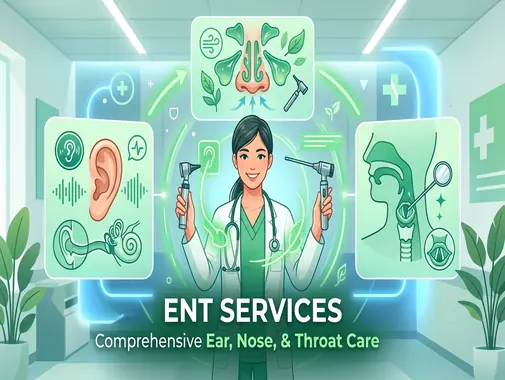
Comprehensive Ear, Nose, Throat & Head and Neck Care
The ENT Department at AS Medical Complex provides comprehensive assessment, diagnosis, medical treatment, surgical consultation, and follow-up care for conditions affecting the ears, hearing, nose, sinuses, throat, voice, upper airway, and related structures of the head and neck.
ENT—also known as Otolaryngology–Head and Neck Surgery—covers a wide range of medical and surgical conditions, from common ear infections, nasal blockage, sinus problems, and tonsillitis to hearing disorders, balance problems, voice changes, airway conditions, and selected head and neck abnormalities. The Ali Medical reference department similarly describes comprehensive care for disorders involving the ears, nose, throat, and associated structures.
Our approach is patient-centered and individualized according to symptoms, age, examination findings, medical history, diagnostic testing, and the severity of each condition.
Our ENT Services
The ENT Department at AS Medical Complex may provide assessment and management for:
-
Ear pain
-
Ear infections
-
Otitis externa
-
Middle-ear infections
-
Recurrent ear infections
-
Ear discharge
-
Earwax blockage
-
Hearing loss
-
Sudden hearing changes
-
Tinnitus
-
Dizziness and vertigo
-
Balance disorders
-
Eardrum problems
-
Eustachian tube dysfunction
-
Nasal blockage
-
Deviated nasal septum
-
Allergic rhinitis
-
Sinusitis
-
Chronic rhinosinusitis
-
Nasal polyps
-
Recurrent nosebleeds
-
Reduced sense of smell
-
Tonsillitis
-
Enlarged tonsils
-
Enlarged adenoids
-
Recurrent sore throat
-
Snoring
-
Sleep-related breathing problems
-
Hoarseness
-
Voice disorders
-
Vocal-cord conditions
-
Difficulty swallowing requiring ENT assessment
-
Neck lumps
-
Salivary-gland conditions
-
Selected head and neck lesions
-
Pediatric ENT conditions
-
Foreign bodies in the ear, nose, or throat
-
ENT trauma
-
ENT surgical consultation
-
Postoperative ENT care
The exact tests and treatment recommended depend on the patient's diagnosis and clinical circumstances.
Ear Conditions
Ear Infections
Ear infections can affect different parts of the ear.
Common categories include:
-
Outer-ear infection
-
Middle-ear infection
-
Chronic ear infection
-
Infection associated with an eardrum perforation
Symptoms can include:
-
Ear pain
-
Fever
-
Ear discharge
-
Reduced hearing
-
Ear pressure
-
Irritability in children
-
Difficulty sleeping
-
A feeling of fullness in the ear
CDC guidance identifies ear pain, fever, irritability, and sleep problems among common features of middle-ear infection.
Treatment depends on the location and cause of infection. Not every ear infection automatically requires antibiotics.
Otitis Externa – Outer Ear Infection
Otitis externa, sometimes called swimmer's ear, affects the ear canal.
Symptoms may include:
-
Ear pain
-
Pain when touching or moving the outer ear
-
Itching
-
Ear discharge
-
Swelling of the ear canal
-
Reduced hearing caused by swelling or debris
Treatment may involve:
-
Cleaning the ear canal
-
Medicated ear drops
-
Pain management
-
Keeping the ear appropriately dry
-
Additional treatment for complicated infection
Patients should avoid inserting cotton buds, pins, or other objects into the ear canal.
Middle-Ear Infection – Otitis Media
Otitis media occurs behind the eardrum and is especially common in children.
Middle-ear infections can be caused by viruses or bacteria.
Symptoms may include:
-
Earache
-
Fever
-
Reduced hearing
-
Pressure or fullness
-
Irritability
-
Sleep disturbance
-
Ear discharge if the eardrum perforates
Repeated middle-ear problems may sometimes affect hearing and therefore deserve assessment, particularly in children with speech or language concerns.
Recurrent Ear Infections in Children
Some children experience repeated middle-ear infections.
ENT assessment may be appropriate when infections:
-
Occur frequently
-
Are associated with persistent fluid
-
Affect hearing
-
Are associated with speech or language concerns
-
Continue despite appropriate treatment
-
Cause repeated eardrum problems
Depending on the findings, management may involve observation, hearing assessment, medical treatment, or selected surgical procedures.
Earwax Blockage
Earwax is normally protective, but excessive or impacted wax can sometimes cause:
-
Blocked-ear sensation
-
Reduced hearing
-
Ear discomfort
-
Tinnitus
-
Difficulty examining the eardrum
Removal may be performed using an appropriate technique after examination.
Patients should avoid attempting to remove deeply impacted wax with sharp objects.
Eardrum Perforation
A perforated eardrum is a hole or tear in the tympanic membrane.
Possible causes include:
-
Ear infection
-
Trauma
-
Sudden pressure changes
-
Foreign objects
-
Previous ear surgery
Symptoms may include:
-
Hearing loss
-
Ear discharge
-
Pain
-
Tinnitus
-
Ear fullness
Some perforations heal naturally, while persistent perforations may require surgical evaluation.
Hearing Loss
Hearing loss may develop gradually or suddenly and can affect one or both ears.
Possible causes include:
-
Earwax blockage
-
Middle-ear fluid
-
Eardrum problems
-
Ear infections
-
Noise exposure
-
Age-related changes
-
Inner-ear disorders
-
Medication effects
-
Neurological causes
-
Other ear conditions
ENT assessment helps determine whether hearing loss is related to the outer ear, middle ear, inner ear, or auditory pathway.
Hearing and balance disorders are major areas within otolaryngology and NIDCD's clinical mission.
Sudden Hearing Loss
A sudden unexplained reduction in hearing, particularly in one ear, should be assessed promptly.
Patients may notice:
-
Sudden muffled hearing
-
Significant hearing difference between the ears
-
Tinnitus
-
Ear fullness
-
Dizziness
Sudden hearing loss should not automatically be assumed to be wax or an ear infection.
Prompt specialist evaluation is important because some inner-ear causes are time-sensitive.
Hearing Assessment
Depending on symptoms, hearing evaluation may involve:
-
Ear examination
-
Pure-tone audiometry
-
Speech audiometry
-
Tympanometry
-
Other audiological tests
-
Imaging in selected patients
ENT care may be coordinated with Audiology and Speech & Language Pathology when appropriate.
Hearing Aids
Some patients with permanent hearing loss may benefit from hearing aids.
Suitability depends on:
-
Type of hearing loss
-
Severity
-
Communication needs
-
Ear health
-
Age
-
Individual preference
A complete ear and hearing assessment helps determine the appropriate rehabilitation approach.
Cochlear Implant Assessment
Patients with severe to profound hearing loss who receive insufficient benefit from conventional hearing aids may, in selected cases, be evaluated for cochlear implantation.
NIDCD notes that cochlear implants can provide useful hearing access for some people with severe or profound hearing loss.
Where such services are clinically appropriate, assessment may involve coordination between:
-
ENT
-
Audiology
-
Speech and Language Pathology
-
Radiology
-
Pediatrics where relevant
-
Other specialists
Ali Medical also lists cochlear implantation among its specialized services, demonstrating the role of ENT within a multidisciplinary cochlear-implant program.
At AS Medical Complex, availability of implant surgery or referral pathways should be confirmed individually.
Tinnitus
Tinnitus is the perception of sound such as ringing, buzzing, humming, or another noise without an external sound source.
It can occur:
-
In one ear
-
In both ears
-
Intermittently
-
Continuously
Tinnitus is frequently associated with hearing loss, although it can have several causes.
Evaluation may include:
-
Ear examination
-
Hearing assessment
-
Medication review
-
Neurological assessment where appropriate
-
Imaging in selected cases
Persistent one-sided tinnitus or tinnitus associated with asymmetric hearing loss requires appropriate investigation.
Dizziness & Vertigo
ENT specialists may evaluate dizziness when an inner-ear or balance-system disorder is suspected.
Patients may describe:
-
Spinning sensation
-
Imbalance
-
Feeling pulled to one side
-
Unsteadiness
-
Motion-related dizziness
-
Nausea during episodes
Possible ENT-related causes can include:
-
Benign positional vertigo
-
Ménière's disease
-
Inner-ear inflammation
-
Other vestibular disorders
NIDCD describes Ménière's disease as an inner-ear disorder associated with vertigo, tinnitus, hearing loss, and ear fullness.
Not all dizziness originates from the ear. Cardiac, neurological, medication-related, blood-pressure, and other medical causes may also require assessment.
Vestibular Schwannoma
A vestibular schwannoma, also called acoustic neuroma, is usually a benign tumor arising from nerves involved in hearing and balance.
Possible warning features include:
-
Progressive one-sided hearing loss
-
Asymmetric hearing
-
One-sided tinnitus
-
Balance problems
-
Dizziness
NIDCD identifies unilateral or asymmetric hearing loss, tinnitus, and balance symptoms as important potential features.
Diagnosis commonly requires hearing assessment and MRI.
Care may involve ENT, Neurosurgery, Radiology, and other specialists.
Nose & Sinus Conditions
Nasal Obstruction
Persistent nasal blockage can result from conditions such as:
-
Deviated nasal septum
-
Allergic rhinitis
-
Enlarged nasal tissues
-
Nasal polyps
-
Chronic sinus inflammation
-
Infection
-
Structural abnormalities
Patients may experience:
-
Difficulty breathing through the nose
-
Mouth breathing
-
Snoring
-
Reduced sense of smell
-
Facial pressure
-
Sleep disturbance
Evaluation may include direct examination and, in selected cases, nasal endoscopy or imaging.
Deviated Nasal Septum
The nasal septum divides the nose into right and left passages.
When significantly deviated, it can contribute to:
-
Persistent nasal obstruction
-
Difficulty breathing through one side
-
Mouth breathing
-
Sleep disturbance
-
Recurrent nasal symptoms
Mild deviation does not necessarily require treatment.
For significant symptomatic obstruction, septoplasty may be considered after specialist assessment.
Septoplasty
Septoplasty is surgery used to correct a significantly deviated nasal septum when structural obstruction is causing clinically important symptoms.
The operation aims to improve the internal nasal airway.
Not every person with a deviated septum needs surgery.
The decision depends on:
-
Severity of blockage
-
Examination findings
-
Response to medical treatment
-
Associated nasal conditions
-
Individual symptoms
Allergic Rhinitis
Allergic rhinitis can cause:
-
Sneezing
-
Nasal itching
-
Runny nose
-
Nasal blockage
-
Watery eyes
-
Postnasal drip
Management may include:
-
Identifying triggers
-
Reducing allergen exposure where practical
-
Nasal medication
-
Antihistamines where appropriate
-
Additional assessment for persistent symptoms
Patients with structural obstruction or chronic sinus disease may require further ENT evaluation.
Sinusitis
The sinuses are air-filled spaces around the nose and face.
Sinusitis occurs when one or more sinuses become inflamed.
Common symptoms can include:
-
Nasal congestion
-
Runny nose
-
Facial pain or pressure
-
Headache
-
Postnasal drip
-
Cough
-
Sore throat
-
Reduced smell
CDC describes nasal blockage, facial pressure, headache, postnasal drip, sore throat, and cough among common symptoms of sinus infection.
Acute Sinusitis
Acute sinusitis often occurs following an upper-respiratory illness.
Many cases are viral and do not automatically require antibiotics. CDC advises that antibiotics do not work against viral infections and are unnecessary for many sinus infections.
Treatment depends on:
-
Duration
-
Severity
-
Pattern of symptoms
-
Examination
-
Complications
-
Underlying conditions
Patients should avoid self-starting antibiotics for every episode of nasal congestion or facial pain.
Chronic Rhinosinusitis
Chronic rhinosinusitis involves persistent inflammation of the nose and sinuses.
Patients may experience:
-
Long-standing nasal blockage
-
Nasal discharge
-
Facial pressure
-
Reduced sense of smell
-
Postnasal drip
The American Academy of Otolaryngology–Head and Neck Surgery maintains dedicated clinical guidelines for both adult sinusitis and surgical management of chronic rhinosinusitis.
Management may include medical therapy and, in selected patients who remain symptomatic, surgical assessment.
Nasal Polyps
Nasal polyps are soft inflammatory growths inside the nose or sinuses.
They may contribute to:
-
Nasal blockage
-
Reduced sense of smell
-
Recurrent sinus problems
-
Mouth breathing
-
Facial pressure
Treatment may involve:
-
Nasal medication
-
Management of underlying inflammation
-
Endoscopic assessment
-
Surgery in selected patients
Polyps can recur, so some patients require long-term follow-up.
Functional Endoscopic Sinus Surgery – FESS
Functional Endoscopic Sinus Surgery (FESS) is a minimally invasive surgical approach used for selected patients with chronic sinus disease.
A small endoscope is passed through the nostrils, allowing the surgeon to operate without an external facial incision in many cases.
Surgery may be considered for selected patients with:
-
Chronic sinus disease not responding adequately to appropriate medical treatment
-
Significant nasal polyps
-
Structural sinus obstruction
-
Other appropriate sinonasal conditions
The decision is based on symptoms, endoscopic findings, imaging, and response to previous treatment.
Nasal Endoscopy
Nasal endoscopy allows the ENT specialist to examine deeper areas of the nasal passages and sinus openings using a thin endoscope.
It may help evaluate:
-
Chronic nasal obstruction
-
Sinusitis
-
Nasal polyps
-
Recurrent nosebleeds
-
Unexplained nasal symptoms
-
Selected masses
The procedure can provide information that may not be visible during routine examination.
Nosebleeds – Epistaxis
Nosebleeds are common and are often minor.
Possible contributing factors include:
-
Dry nasal lining
-
Nose picking or trauma
-
Nasal inflammation
-
Certain medications
-
High blood pressure
-
Blood-clotting problems
-
Structural abnormalities
ENT assessment may be appropriate for:
-
Recurrent nosebleeds
-
Heavy bleeding
-
Bleeding predominantly from one side
-
Bleeding associated with another nasal abnormality
Treatment may involve examination, cauterization, nasal packing, medication adjustment where appropriate, or further investigation.
Severe uncontrolled bleeding requires urgent medical care.
Reduced Sense of Smell
Reduced or absent smell may occur due to:
-
Nasal congestion
-
Sinus inflammation
-
Nasal polyps
-
Viral illness
-
Head injury
-
Neurological disease
-
Other causes
Persistent unexplained smell changes may require ENT assessment.
Throat Conditions
Tonsillitis
Tonsillitis refers to inflammation or infection of the tonsils.
Patients may experience:
-
Sore throat
-
Painful swallowing
-
Fever
-
Enlarged tonsils
-
Swollen neck glands
-
Bad breath
-
Reduced appetite
Some throat infections are viral, while others are bacterial.
For example, CDC identifies group A streptococcus as a bacterial cause of infection of the throat and tonsils.
Appropriate testing may be required before antibiotics are prescribed in selected patients.
Recurrent Tonsillitis
Patients experiencing repeated episodes of significant tonsillitis may require ENT assessment.
Evaluation considers:
-
Frequency of infections
-
Severity
-
Documented fever
-
Clinical findings
-
School or work disruption
-
Complications
-
Sleep-related symptoms
Tonsillectomy is not automatically recommended for every child or adult with recurrent sore throats.
AAO-HNS guidelines emphasize careful consideration of the frequency and clinical pattern of recurrent throat infection, particularly in children.
Tonsillectomy
Tonsillectomy is an operation to remove the tonsils.
It may be considered for selected patients with:
-
Appropriately documented recurrent tonsillitis
-
Significant tonsillar enlargement associated with sleep-related breathing problems
-
Recurrent tonsillar complications
-
Other appropriate indications
The risks and potential benefits should be discussed before surgery.
Postoperative bleeding is an important complication requiring appropriate monitoring and urgent assessment if it occurs.
Enlarged Adenoids
The adenoids are immune tissues located behind the nasal cavity.
Enlarged adenoids in children may contribute to:
-
Persistent nasal blockage
-
Mouth breathing
-
Snoring
-
Sleep-related breathing problems
-
Recurrent middle-ear problems
-
Chronic nasal symptoms
ENT evaluation can determine whether observation, medical management, or surgical treatment is appropriate.
Adenoidectomy
Adenoidectomy involves surgical removal of enlarged or diseased adenoid tissue.
It may be considered for selected children with:
-
Significant nasal obstruction
-
Sleep-related breathing problems
-
Selected recurrent or persistent ear problems
-
Certain chronic nasal or sinus conditions
AAO-HNS clinical indicators recognize adenoid surgery for selected pediatric conditions involving nasal obstruction, chronic ear disease, and chronic rhinosinusitis.
Sore Throat
Not every sore throat requires ENT treatment.
Common causes include:
-
Viral infections
-
Bacterial infection
-
Tonsillitis
-
Postnasal drip
-
Reflux
-
Irritation
-
Other conditions
Patients should seek assessment for:
-
Severe persistent sore throat
-
Difficulty swallowing
-
Difficulty breathing
-
Recurrent tonsillitis
-
Neck swelling
-
Persistent one-sided symptoms
-
Symptoms associated with significant weight loss or voice change
Voice & Larynx
Hoarseness & Voice Changes
A persistent change in voice may result from:
-
Vocal overuse
-
Infection
-
Vocal-cord nodules
-
Polyps
-
Reflux-related irritation
-
Neurological disorders
-
Vocal-cord paralysis
-
Smoking-related disease
-
Other laryngeal conditions
Patients may describe:
-
Hoarseness
-
Weak voice
-
Breathy voice
-
Voice fatigue
-
Loss of voice
-
Pain when speaking
Persistent voice changes warrant appropriate ENT examination.
Laryngoscopy
Laryngoscopy allows an ENT specialist to examine the throat, larynx, and vocal cords.
It may be recommended for:
-
Persistent hoarseness
-
Voice change
-
Swallowing problems
-
Throat discomfort
-
Suspected vocal-cord problems
-
Selected airway symptoms
Depending on the clinical situation, flexible or other laryngoscopic techniques may be used.
Voice Disorders
Treatment depends on the underlying cause.
Management may include:
-
Voice-rest guidance
-
Treatment of inflammation
-
Management of reflux where clinically appropriate
-
Surgical treatment of selected vocal-cord lesions
-
Voice therapy
ENT care may therefore be coordinated with the Speech and Language Pathology Department.
Snoring & Sleep-Related Breathing
Snoring
Snoring can result from vibration of tissues within the upper airway during sleep.
Possible contributing factors include:
-
Nasal obstruction
-
Enlarged tonsils
-
Enlarged adenoids
-
Obesity
-
Structural airway narrowing
-
Sleep position
-
Other upper-airway conditions
Snoring alone does not automatically mean a patient has obstructive sleep apnea.
However, further assessment is appropriate when snoring is associated with:
-
Pauses in breathing
-
Gasping or choking during sleep
-
Severe daytime sleepiness
-
Morning headaches
-
Poor concentration
-
Behavioral problems in children
Obstructive Sleep Apnea & ENT
ENT specialists may participate in evaluation of structural upper-airway problems contributing to sleep-disordered breathing.
AAO-HNS describes sleep-disordered breathing in children as a spectrum that can include snoring, mouth breathing, pauses in breathing, and obstructive sleep apnea.
Assessment may include review of:
-
Nose
-
Tonsils
-
Adenoids
-
Upper airway
-
Weight and other medical factors
Some patients may require a formal sleep study or assessment by another relevant specialty before treatment is selected.
Pediatric ENT
ENT Care for Children
Children commonly experience ENT problems because the ear, nose, throat, and airway continue to develop throughout childhood.
Pediatric ENT concerns may include:
-
Recurrent ear infections
-
Persistent middle-ear fluid
-
Hearing concerns
-
Speech delay related to hearing problems
-
Enlarged tonsils
-
Enlarged adenoids
-
Snoring
-
Sleep-related breathing problems
-
Nasal blockage
-
Recurrent sinus problems
-
Foreign bodies
-
Congenital ENT conditions
Treatment should consider the child's age, development, symptoms, hearing, and overall health.
Middle-Ear Fluid & Hearing in Children
Fluid behind the eardrum can temporarily reduce hearing.
Persistent hearing difficulty during early childhood may interfere with communication and language development in some children.
For this reason, children with repeated ear problems and speech or language concerns may benefit from coordinated assessment involving:
-
ENT
-
Audiology
-
Pediatrics
-
Speech and Language Pathology
NIDCD notes that repeated episodes of middle-ear disease can contribute to hearing loss and may affect language and cognitive development.
Ear Tubes / Grommets
Small ventilation tubes may be inserted through the eardrum in selected children with persistent middle-ear fluid or recurrent ear disease.
The procedure aims to ventilate the middle ear.
Not every child with an ear infection requires tubes.
The decision depends on:
-
Frequency of infections
-
Duration of middle-ear fluid
-
Hearing assessment
-
Speech or developmental concerns
-
Other risk factors
Foreign Bodies in the Ear or Nose
Young children may place objects into the:
-
Ear
-
Nose
-
Occasionally throat
Possible symptoms include:
-
Pain
-
Unusual discharge
-
Bleeding
-
Bad smell
-
Nasal blockage
-
Reduced hearing
Parents should avoid repeatedly attempting removal at home, particularly with sharp objects, as this may push the object deeper or cause injury.
Button batteries require urgent medical removal because they can rapidly damage tissue.
Head & Neck Conditions
Neck Lumps
A lump in the neck can result from many causes, including:
-
Enlarged lymph nodes
-
Infection
-
Cysts
-
Salivary-gland conditions
-
Thyroid abnormalities
-
Benign tumors
-
Other lesions
Persistent or unexplained neck swelling requires appropriate examination.
Additional assessment may involve:
-
Ultrasound
-
CT or MRI
-
Blood tests
-
Needle biopsy
-
Endoscopic examination
-
Referral to another specialty
Salivary-Gland Disorders
The major salivary glands include the:
-
Parotid glands
-
Submandibular glands
-
Sublingual glands
Conditions may include:
-
Infection
-
Stones
-
Swelling
-
Cysts
-
Tumors
Symptoms may include:
-
Swelling near the jaw or ear
-
Pain during eating
-
Dry mouth
-
Recurrent swelling
-
A persistent lump
Treatment depends on the underlying diagnosis.
Head & Neck Tumor Assessment
ENT specialists may participate in evaluating suspicious abnormalities involving:
-
Oral cavity
-
Throat
-
Larynx
-
Nasal passages
-
Sinuses
-
Salivary glands
-
Neck lymph nodes
-
Other head and neck structures
Possible warning signs include:
-
Persistent neck lump
-
Persistent hoarseness
-
Difficulty swallowing
-
Persistent one-sided throat pain
-
Unexplained weight loss
-
Recurrent unexplained bleeding
-
Persistent mouth or throat lesion
These symptoms do not automatically indicate cancer, but persistent unexplained symptoms should be evaluated.
ENT Diagnostic Services
ENT Examination
A routine ENT assessment may include examination of:
-
Ear canals
-
Eardrums
-
Nose
-
Nasal septum
-
Mouth
-
Tonsils
-
Throat
-
Neck
-
Lymph nodes
The physician also reviews symptoms, duration, previous treatment, medication, allergies, medical history, and relevant risk factors.
Common ENT Investigations
Depending on the condition, investigations may include:
-
Otoscopy
-
Microscopic ear examination
-
Hearing tests
-
Pure-tone audiometry
-
Speech audiometry
-
Tympanometry
-
Nasal endoscopy
-
Flexible laryngoscopy
-
Throat examination
-
Swabs or cultures where indicated
-
Ultrasound
-
X-Ray in selected cases
-
CT scan
-
MRI
-
Sleep study where appropriate
-
Fine-needle aspiration or biopsy
-
Other specialized investigations
Not every patient requires all of these tests.
Investigations should be selected according to the clinical problem.
CT Scan in ENT
CT imaging may be useful for selected conditions involving:
-
Chronic sinus disease
-
Facial structures
-
Temporal bones
-
Ear disease
-
Neck abnormalities
-
Trauma
It provides detailed information about bone and sinus anatomy.
MRI in ENT
MRI may be particularly useful for evaluating:
-
Inner-ear structures
-
Hearing and balance nerves
-
Soft-tissue abnormalities
-
Selected head and neck lesions
-
Certain tumors
For example, MRI forms an important part of evaluating suspected vestibular schwannoma.
Common ENT Procedures
Depending on the patient's diagnosis and hospital facilities, ENT procedures may include:
-
Earwax removal
-
Ear examination under magnification
-
Myringotomy
-
Ventilation tube / grommet insertion
-
Eardrum repair
-
Selected middle-ear surgery
-
Tonsillectomy
-
Adenoidectomy
-
Septoplasty
-
Nasal cautery
-
Nasal endoscopy
-
Functional endoscopic sinus surgery
-
Nasal-polyp surgery
-
Flexible laryngoscopy
-
Biopsy of selected ENT lesions
-
Salivary-gland surgery
-
Other head and neck procedures
The exact procedure should only be recommended after appropriate specialist evaluation.
ENT Surgery & Anesthesia
Many ENT operations require coordination with the Anesthesia Department.
Pre-operative planning may include review of:
-
Age
-
Medical history
-
Heart and lung conditions
-
Current medications
-
Allergies
-
Previous anesthesia reactions
-
Sleep apnea
-
Laboratory tests
-
Imaging
Patients should follow the specific fasting and medication instructions provided before surgery.
Postoperative ENT Care
Recovery depends on the type of operation.
Postoperative care may include:
-
Pain management
-
Hydration
-
Wound care
-
Nasal care
-
Ear precautions
-
Dietary instructions
-
Medication
-
Follow-up examination
Patients should follow the discharge instructions provided for their specific operation.
Antibiotics & ENT Infections
Antibiotics should not automatically be used for every:
-
Earache
-
Sore throat
-
Runny nose
-
Sinus problem
-
Upper-respiratory illness
Many respiratory and sinus infections are viral.
CDC specifically notes that antibiotics do not treat viral infections and that many sinus infections and some ear infections do not require antibiotics.
Appropriate antibiotic use helps reduce unnecessary side effects and antimicrobial resistance.
Coordinated ENT Care
ENT conditions sometimes require collaboration with other departments.
Depending on the diagnosis, ENT may coordinate with:
-
Pediatrics
-
Speech and Language Pathology
-
Neurology
-
Neurosurgery
-
Pulmonology
-
Radiology
-
General Medicine
-
General Surgery
-
Anesthesia
-
Oncology
-
Infectious Disease
-
Psychology
-
Other relevant specialties
Examples include:
-
Hearing loss with Speech & Language Pathology
-
Vertigo with Neurology
-
Sleep-related breathing disorders with Pulmonology
-
Complex skull-base conditions with Neurosurgery
-
Head and neck masses with Radiology and Pathology
This multidisciplinary approach helps address both the underlying disease and its effects on hearing, communication, breathing, swallowing, and everyday functioning.
When Should You Visit an ENT Specialist?
You may consider ENT consultation if you have:
-
Recurrent ear infections
-
Persistent ear pain
-
Ear discharge
-
Persistent blocked ear
-
Hearing loss
-
Sudden hearing change
-
Persistent tinnitus
-
Recurrent dizziness or vertigo
-
Persistent nasal obstruction
-
Recurrent sinus symptoms
-
Nasal polyps
-
Frequent nosebleeds
-
Recurrent tonsillitis
-
Enlarged tonsils or adenoids
-
Persistent sore throat
-
Persistent hoarseness
-
Difficulty swallowing
-
Snoring with possible breathing pauses
-
Persistent neck lump
-
Salivary-gland swelling
-
An abnormal ENT scan
-
A condition for which ENT surgery has been recommended
When Is Emergency ENT Care Required?
Seek urgent medical assessment for:
-
Significant difficulty breathing
-
Severe throat swelling affecting breathing
-
Sudden unexplained hearing loss
-
Severe uncontrolled nosebleed
-
Severe facial swelling with infection
-
Foreign body obstructing breathing
-
Button battery inside the nose, ear, or throat
-
Severe neck swelling with breathing difficulty
-
Rapidly worsening infection
-
Significant ENT trauma
-
Severe bleeding after ENT surgery
-
Significant bleeding after tonsillectomy
-
Difficulty swallowing saliva with breathing problems
-
Sudden neurological symptoms occurring with severe vertigo
These symptoms should not wait for a routine outpatient ENT appointment.
Long-Term ENT Care
Some ENT conditions resolve after a short period of treatment, while others require ongoing monitoring.
Regular ENT follow-up may be appropriate for:
-
Chronic sinusitis
-
Nasal polyps
-
Recurrent ear disease
-
Chronic hearing loss
-
Tinnitus
-
Balance disorders
-
Voice disorders
-
Persistent eardrum abnormalities
-
Sleep-related airway problems
-
Postoperative care
-
Selected head and neck conditions
Follow-up helps the ENT specialist:
-
Monitor symptoms
-
Review hearing
-
Reassess treatment
-
Examine surgical sites
-
Review imaging
-
Identify recurrence
-
Coordinate rehabilitation
-
Determine whether additional treatment is required
At AS Medical Complex, our goal is to provide continuity of care from initial ENT assessment and diagnosis through medical treatment, surgery when required, rehabilitation, and long-term follow-up.
ENT FAQs
What does an ENT specialist treat?
An ENT specialist—or otolaryngologist—diagnoses and treats disorders involving the ears, hearing, nose, sinuses, throat, voice, upper airway, and related head and neck structures. The Ali Medical reference ENT department similarly describes comprehensive treatment of ear, nose, throat, and associated conditions.
When should I see an ENT specialist for sinus problems?
ENT assessment may be appropriate when nasal congestion, facial pressure, reduced smell, or sinus symptoms are persistent, recurrent, severe, or not improving as expected. Chronic rhinosinusitis may require specialist evaluation and sometimes endoscopic or surgical assessment.
Do all ear infections need antibiotics?
No. The appropriate treatment depends on the type of ear infection, age, symptoms, severity, and examination findings. CDC notes that some ear infections do not require antibiotics and that antibiotics do not treat viral infections.
When should hearing loss be checked?
Hearing loss should be assessed when it is persistent, affects communication, occurs predominantly in one ear, is associated with tinnitus or balance problems, or develops suddenly. Sudden unexplained hearing loss requires prompt medical assessment.
Does every child with enlarged tonsils need tonsil surgery?
No. Tonsillectomy is considered according to factors such as recurrent documented throat infections, significant tonsillar enlargement, and sleep-related breathing problems. Professional guidelines recommend careful patient selection rather than automatically operating on every child with enlarged tonsils.
Can ENT treat dizziness and vertigo?
Yes, when dizziness is caused by a disorder of the inner ear or balance system. However, dizziness can also have neurological, cardiovascular, medication-related, and other causes, so additional specialist assessment may sometimes be required.
What ENT symptoms require urgent attention?
Significant breathing difficulty, severe throat swelling, sudden hearing loss, uncontrolled nosebleeding, severe infection, a button battery in the ear or nose, serious ENT trauma, or postoperative bleeding—particularly after tonsillectomy—require urgent medical evaluation.
ENT Care at AS Medical Complex
The ENT Department at AS Medical Complex is committed to providing comprehensive, patient-focused medical and surgical care for conditions affecting the ears, hearing, nose, sinuses, throat, voice, airway, and related structures of the head and neck.
From ear infections, hearing loss, tinnitus, and vertigo to sinusitis, nasal obstruction, tonsillitis, enlarged adenoids, snoring, voice problems, and head and neck conditions, our goal is to provide appropriate diagnosis, individualized treatment, surgery when clinically required, and structured follow-up care.
Book an appointment with our ENT Department for ear and hearing problems, sinus and nasal conditions, tonsil and throat disorders, dizziness and vertigo, voice changes, snoring and sleep-related airway concerns, pediatric ENT problems, and specialist ENT surgical consultation.