
Well Women Clinic at AS Medical Complex
Contact hospital
- Availability
Contact hospital
- Booking
WhatsApp / call
- Location
Islamabad
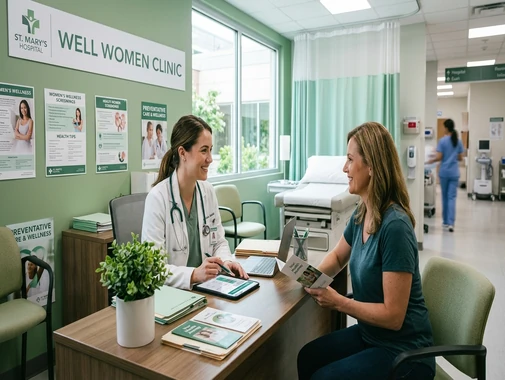
Comprehensive Preventive, Reproductive & Lifelong Women’s Health Care
The Well Women Clinic at AS Medical Complex provides comprehensive preventive and routine healthcare for women through different stages of life.
The clinic is designed for women who may feel well but want to review their overall health, reproductive health, screening needs, lifestyle, contraception, menstrual health, breast health, cervical health, pregnancy planning, menopause, and other age-related health concerns.
It also provides an appropriate entry point for women experiencing new symptoms who are unsure which specialist they should consult.
A well-woman visit is different from an appointment focused only on one illness.
The purpose is to look at the woman’s health more broadly and identify:
-
Current health concerns
-
Preventive screening needs
-
Reproductive-health needs
-
Lifestyle-related risks
-
Family-history risks
-
Vaccination needs
-
Menstrual concerns
-
Breast-health concerns
-
Cervical-health needs
-
Contraceptive requirements
-
Pregnancy plans
-
Menopausal symptoms
-
Bone-health risks
-
Cardiovascular and metabolic risks
-
Mental and emotional well-being
-
Conditions requiring specialist referral
The Women’s Preventive Services Initiative describes well-woman care as preventive healthcare delivered across a woman’s lifespan, including health assessment, screening, risk-factor evaluation, immunization, counseling, education, and prepregnancy care.
At AS Medical Complex, the exact services recommended during a Well Women Clinic visit should be individualized according to the woman’s age, symptoms, medical history, reproductive history, family history, medications, lifestyle, previous screening results, pregnancy plans, and personal risk factors.
Our Well Women Clinic Services
The Well Women Clinic at AS Medical Complex may provide assessment and guidance for:
-
Routine women’s health checkups
-
Preventive health assessment
-
Gynecological health review
-
Menstrual-health assessment
-
Irregular periods
-
Heavy menstrual bleeding
-
Painful periods
-
Missed periods
-
Abnormal vaginal bleeding
-
Intermenstrual bleeding
-
Premenstrual symptoms
-
PCOS-related concerns
-
Reproductive-health counseling
-
Contraception counseling
-
Family-planning advice
-
Preconception counseling
-
Pregnancy-planning assessment
-
Sexual-health counseling
-
Cervical-health assessment
-
Cervical cancer screening review
-
Pap test assessment where appropriate
-
HPV-related counseling
-
Review of abnormal cervical screening results
-
Breast-health review
-
Breast-cancer risk assessment
-
Mammography referral where appropriate
-
Breast ultrasound referral where appropriate
-
Breast-lump assessment and referral
-
Menopause assessment
-
Perimenopause counseling
-
Postmenopausal health review
-
Vaginal dryness and genitourinary symptoms
-
Bone-health risk assessment
-
Osteoporosis-risk review
-
Weight and metabolic-health assessment
-
Blood-pressure assessment
-
Diabetes-risk review
-
Cholesterol-risk review
-
Thyroid-related assessment where indicated
-
Anemia-risk assessment
-
Nutrition review
-
Physical-activity counseling
-
Mental-health screening where appropriate
-
Anxiety and emotional-well-being review
-
Sleep-health discussion
-
Urinary-health discussion
-
Urinary incontinence screening
-
Vaccination-history review
-
Family-history assessment
-
Age-appropriate cancer-screening review
-
Referral to Gynecology when treatment is required
-
Referral to Breast Surgery when appropriate
-
Referral to General Medicine or other specialists
-
Long-term preventive-health follow-up
Not every woman requires every examination, blood test, scan, or screening procedure at every visit.
The Well Women Clinic focuses on appropriate care rather than unnecessary testing.
What Is a Well-Woman Visit?
A well-woman visit is a routine healthcare appointment focused on maintaining health and identifying preventable or treatable health concerns.
It may include:
-
Medical-history review
-
Reproductive-history review
-
Menstrual-history review
-
Family-history review
-
Lifestyle assessment
-
Blood-pressure measurement
-
Weight assessment
-
Preventive screening review
-
Breast-health discussion
-
Cervical-health discussion
-
Contraception
-
Pregnancy planning
-
Menopause
-
Mental-health discussion
-
Immunization review
ACOG recommends that periodic well-woman care include screening, evaluation, counseling, and immunizations selected according to the woman’s age and risk factors.
Well-Woman Visit vs Gynecology Consultation
These services overlap but have different emphasis.
Well Women Clinic
Primarily focuses on:
-
Preventive care
-
Routine reproductive-health review
-
Screening
-
Health education
-
Risk assessment
-
Family planning
-
Pregnancy preparation
-
Menopause
-
General women’s wellness
Gynecology Department
More specifically evaluates and treats conditions such as:
-
Fibroids
-
Ovarian cysts
-
Endometriosis
-
Severe menstrual disorders
-
Pelvic masses
-
Significant abnormal bleeding
-
Infertility
-
Pelvic infection
-
Gynecological surgery
-
Other diagnosed reproductive-system diseases
If the Well Women Clinic identifies a condition requiring detailed investigation or treatment, the patient can be referred to the Gynecology Department.
Health at Every Stage of a Woman’s Life
Women’s health needs change throughout life.
A preventive-care plan may therefore be different during:
-
Adolescence
-
Early adulthood
-
Reproductive years
-
Pregnancy planning
-
Postpartum years
-
Perimenopause
-
Menopause
-
Later adulthood
The WPSI Well-Woman framework specifically organizes preventive services according to life stage and individual risk.
Adolescent & Young Women’s Health
Young women may benefit from age-appropriate counseling and preventive healthcare involving:
-
Menstrual health
-
Period problems
-
Nutrition
-
Healthy weight
-
Physical activity
-
Vaccination
-
Reproductive-health education
-
Sexual-health education
-
Emotional well-being
-
Future reproductive health
ACOG emphasizes preventive education, guidance, and reproductive-health care beginning during adolescence.
A pelvic examination is not automatically required simply because a young woman attends a routine preventive visit.
The need for examination depends on symptoms and clinical circumstances.
Menstrual Health
Menstrual patterns vary among women.
A Well Women Clinic visit provides an opportunity to discuss:
-
Cycle length
-
Menstrual regularity
-
Amount of bleeding
-
Menstrual pain
-
Missed periods
-
Bleeding between periods
-
Changes in the menstrual pattern
-
Symptoms affecting daily life
Some menstrual changes are temporary or hormonal.
Others may be associated with conditions requiring further assessment.
Irregular Periods
Periods may become irregular because of:
-
Adolescence
-
Stress
-
Weight changes
-
PCOS
-
Thyroid disorders
-
Pregnancy
-
Perimenopause
-
Certain medicines
-
Other hormonal or medical conditions
Evaluation may include:
-
Menstrual history
-
Pregnancy testing where relevant
-
Physical examination
-
Laboratory testing
-
Ultrasound
-
Other investigations
depending on the clinical situation.
Heavy Menstrual Bleeding
Heavy menstrual bleeding may be suspected when periods:
-
Are unusually prolonged
-
Require very frequent pad or tampon changes
-
Produce large clots
-
Cause significant disruption
-
Lead to symptoms of anemia
Possible causes include:
-
Hormonal disturbances
-
Fibroids
-
Adenomyosis
-
Endometrial disorders
-
Bleeding disorders
-
Other gynecological conditions
Persistent heavy bleeding should be assessed rather than assumed to be normal.
Painful Periods
Menstrual cramps are common, but severe pain can sometimes be associated with conditions such as:
-
Endometriosis
-
Adenomyosis
-
Fibroids
-
Pelvic infection
-
Other pelvic disorders
A woman should seek assessment if menstrual pain:
-
Becomes increasingly severe
-
Prevents normal activity
-
Develops after previously painless cycles
-
Is associated with infertility
-
Occurs with abnormal bleeding
-
Occurs with persistent pelvic pain
Polycystic Ovary Syndrome – PCOS
PCOS is a common hormonal condition that can affect:
-
Menstrual regularity
-
Ovulation
-
Fertility
-
Skin
-
Hair growth
-
Metabolic health
Possible features include:
-
Irregular periods
-
Missed periods
-
Acne
-
Increased facial or body hair
-
Weight changes
-
Difficulty becoming pregnant
Diagnosis requires appropriate medical assessment.
Not every woman with irregular periods or acne has PCOS.
Women requiring detailed PCOS treatment may be referred to Gynecology and/or Endocrinology.
Abnormal Vaginal Bleeding
Abnormal bleeding may include:
-
Bleeding between periods
-
Bleeding after sexual intercourse
-
Unexpected heavy bleeding
-
Bleeding after menopause
-
Persistent irregular bleeding
The cause may be benign, hormonal, medication-related, pregnancy-related, or associated with reproductive-system disease.
Persistent abnormal bleeding requires appropriate investigation.
Postmenopausal Bleeding
Any new vaginal bleeding after menopause should be medically evaluated.
Possible causes can include:
-
Vaginal or endometrial thinning
-
Polyps
-
Hormonal effects
-
Endometrial abnormalities
-
Other gynecological disease
Most cases do not automatically indicate cancer, but important causes must be excluded.
Patients may require:
-
Gynecological examination
-
Ultrasound
-
Endometrial assessment
-
Hysteroscopy
-
Biopsy
-
Other testing
depending on clinical findings.
Cervical Health
The cervix is the lower part of the uterus.
Preventive cervical healthcare may involve:
-
Screening-history review
-
Pap testing when appropriate
-
HPV testing according to applicable guidance
-
Review of previous abnormal results
-
HPV-vaccination status
-
Evaluation of symptoms
Cervical cancer screening is an important preventive service, but the appropriate test and interval vary according to age, medical history, previous results, and applicable guidelines.
Pap Test
A Pap test collects cells from the cervix to look for abnormal cellular changes.
It is primarily a screening test, not a general test for all gynecological problems.
Women should follow an age- and risk-appropriate cervical screening schedule.
A woman does not necessarily need a Pap test at every annual Well Women Clinic visit.
ACOG specifically distinguishes routine well-woman care from the frequency of cervical screening.
HPV Testing
Human papillomavirus is associated with most cervical cancers.
Depending on age, health history, and current screening recommendations, cervical screening may involve:
-
Cytology
-
HPV testing
-
A combination of methods
The appropriate strategy should follow current clinical guidance.
HPV Vaccination
HPV vaccination can help protect against infections associated with cervical and several other cancers.
A Well Women Clinic visit provides an opportunity to:
-
Review HPV vaccination status
-
Discuss eligibility
-
Address questions about vaccination
Vaccination recommendations depend on age and previous vaccination history.
Abnormal Cervical Screening Results
An abnormal Pap or HPV test does not automatically mean that a woman has cervical cancer.
Depending on the result, management may include:
-
Repeat testing
-
Colposcopy
-
Biopsy
-
Additional Gynecology assessment
Women with previous abnormal screening results should bring their reports whenever possible.
Pelvic Examination
A pelvic examination may be useful when a woman has:
-
Pelvic pain
-
Abnormal bleeding
-
Vaginal discharge
-
A suspected pelvic mass
-
Sexual-health symptoms
-
Other gynecological concerns
However, a routine pelvic examination is not automatically required at every preventive visit in every asymptomatic woman.
ACOG recommends that the decision to perform a pelvic examination be based on symptoms, medical history, and shared decision-making where appropriate.
Vaginal Discharge
Vaginal discharge can be normal.
Assessment may be required when discharge becomes:
-
Foul-smelling
-
Unusually heavy
-
Associated with itching
-
Associated with burning
-
Associated with pelvic pain
-
Associated with bleeding
-
Significantly different from usual
Possible causes include:
-
Vaginal infections
-
Cervical infection
-
Other reproductive-health conditions
Treatment depends on the actual cause rather than the appearance of discharge alone.
Pelvic Pain
Pelvic pain can have many causes.
Possible gynecological causes include:
-
Ovulation-related pain
-
Ovarian cyst
-
Endometriosis
-
Adenomyosis
-
Fibroids
-
Pelvic infection
-
Pregnancy-related conditions
-
Other reproductive-system disease
Pelvic pain can also arise from:
-
Urinary system
-
Bowel
-
Musculoskeletal structures
-
Other medical conditions
Persistent or severe pain requires appropriate assessment.
Sexual & Reproductive Health
Women should have access to respectful and confidential discussion of reproductive and sexual-health concerns.
Topics may include:
-
Contraception
-
Pregnancy planning
-
Sexual discomfort
-
Vaginal dryness
-
STI risk
-
Menstrual health
-
Fertility questions
The conversation should be individualized according to the woman’s needs.
Contraception Counseling
The Well Women Clinic may provide counseling about contraception.
Options can include:
-
Barrier methods
-
Oral contraceptive pills
-
Injectable contraception
-
Implants
-
Intrauterine contraception
-
Other appropriate methods
Selection depends on:
-
Age
-
Medical history
-
Blood pressure
-
Smoking
-
Migraine history
-
Previous blood clots
-
Menstrual concerns
-
Pregnancy plans
-
Patient preference
The most appropriate contraceptive method differs between women.
Contraception Is Individualized
A method that is suitable for one woman may not be suitable for another.
Before recommending contraception, the doctor may review:
-
Medical conditions
-
Current medication
-
Family history
-
Previous contraception
-
Side effects
-
Menstrual pattern
-
Reproductive goals
ACOG notes that a pelvic examination is not necessary before most contraceptive methods, although specific procedures such as intrauterine-device insertion involve appropriate examination.
Family Planning
Family planning includes more than contraception.
It may involve:
-
Avoiding pregnancy
-
Spacing pregnancies
-
Planning a future pregnancy
-
Discussing reproductive goals
-
Reviewing health before conception
The clinic can help women make informed decisions based on their individual circumstances.
Preconception Counseling
Women considering pregnancy may benefit from medical review before conception.
Preconception assessment may include:
-
Medical history
-
Previous pregnancy history
-
Medication review
-
Vaccination review
-
Diabetes assessment
-
Blood-pressure review
-
Weight and nutrition
-
Folic-acid counseling
-
Genetic or family-history concerns
-
Lifestyle review
-
Management of chronic diseases
ACOG states that prepregnancy counseling aims to optimize maternal health and address modifiable risks before pregnancy.
Medication Review Before Pregnancy
Some medications are appropriate during pregnancy while others require:
-
Dose adjustment
-
Substitution
-
Specialist review
Women planning pregnancy should discuss all:
-
Prescription medicines
-
Over-the-counter medicines
-
Vitamins
-
Herbal products
-
Supplements
Do not stop important long-term medication independently.
Uncontrolled medical disease can also create pregnancy risks.
Chronic Disease Before Pregnancy
Women with conditions such as:
-
Diabetes
-
High blood pressure
-
Epilepsy
-
Thyroid disease
-
Kidney disease
-
Heart disease
-
Autoimmune conditions
-
Other chronic illnesses
may benefit from specialist optimization before conception.
Preconception care may therefore involve coordination with other AS Medical Complex departments.
Pregnancy Testing & Early Pregnancy
A Well Women Clinic can provide initial guidance when pregnancy is suspected.
Women with a positive pregnancy test may be referred for appropriate antenatal care.
Early pregnancy assessment becomes particularly important when there is:
-
Vaginal bleeding
-
Significant pelvic pain
-
Previous ectopic pregnancy
-
Recurrent miscarriage
-
Significant medical disease
-
Other high-risk factors
Breast Health
Breast health forms an important part of women’s preventive care.
A health review may include discussion of:
-
New breast lumps
-
Breast pain
-
Nipple discharge
-
Nipple inversion
-
Breast skin changes
-
Previous breast biopsy
-
Previous imaging
-
Family history of breast cancer
-
Personal breast-cancer risk
ACOG includes breast-cancer risk and screening discussion as an important part of preventive women’s healthcare.
Breast Self-Awareness
Women should be familiar with the usual appearance and feel of their breasts.
Seek medical assessment for new changes such as:
-
New lump
-
Persistent focal thickening
-
Bloody nipple discharge
-
New nipple inversion
-
Skin dimpling
-
Persistent localized breast change
Breast self-awareness does not replace appropriate imaging or medical assessment.
Breast Examination
A clinical breast examination may be performed when indicated by:
-
Symptoms
-
Individual risk
-
Age
-
Clinical circumstances
A woman with a breast lump or other suspicious symptom may be referred to the Breast Surgery Department and appropriate imaging.
Mammography
Mammography is an important breast-cancer screening tool for appropriately selected women.
The exact age to begin, screening interval, and whether additional imaging is needed depend on:
-
Individual risk
-
Family history
-
Previous findings
-
Applicable screening guidance
-
Shared decision-making
The Well Women Clinic can review whether a woman appears due for screening rather than automatically ordering the same imaging for every patient.
High-Risk Breast Cancer Assessment
Some women may have increased breast-cancer risk because of:
-
Strong family history
-
Previous high-risk breast lesion
-
Personal history of breast cancer
-
Certain inherited genetic variants
-
Other recognized risk factors
These women may require a different screening strategy or Breast Surgery assessment.
Family History of Breast or Ovarian Cancer
Women should tell their doctor if close relatives have had:
-
Breast cancer
-
Ovarian cancer
-
Male breast cancer
-
Multiple related cancers
-
Cancer at a young age
Selected family patterns may justify more detailed hereditary cancer-risk assessment.
Menopause
What Is Menopause?
Menopause is the natural stage of life when menstrual periods permanently stop because ovarian reproductive function changes.
The years leading up to menopause are often called perimenopause.
Symptoms and their severity vary substantially between women.
Perimenopause
During perimenopause, women may experience:
-
Irregular periods
-
Changes in menstrual flow
-
Hot flushes
-
Night sweats
-
Sleep disturbance
-
Mood changes
-
Vaginal dryness
-
Changes in sexual comfort
-
Urinary symptoms
Not every symptom during midlife is caused by menopause.
A medical assessment can help determine whether another condition requires investigation.
Menopause Symptoms
Symptoms may include:
-
Hot flushes
-
Night sweats
-
Sleep difficulty
-
Vaginal dryness
-
Reduced sexual comfort
-
Mood changes
-
Concentration difficulties
-
Menstrual changes before periods stop
Treatment should be based on symptom severity, medical history, risks, and patient preferences.
Menopause Consultation
A menopause consultation may include:
-
Symptom review
-
Menstrual history
-
Medical history
-
Cardiovascular-risk assessment
-
Breast-health review
-
Bone-health review
-
Medication review
-
Discussion of treatment options
-
Lifestyle counseling
Treatment may include hormonal or non-hormonal approaches depending on the individual patient.
Menopausal Hormone Therapy
Hormone therapy can be effective for selected menopausal symptoms, but it is not appropriate for every woman.
Before considering treatment, the doctor may review:
-
Age
-
Time since menopause
-
Symptoms
-
Breast-cancer history
-
Blood-clot history
-
Cardiovascular history
-
Liver disease
-
Abnormal vaginal bleeding
-
Other relevant conditions
Treatment decisions should be individualized.
Vaginal Dryness
Vaginal dryness may develop around or after menopause because of hormonal changes.
Symptoms can include:
-
Dryness
-
Burning
-
Irritation
-
Pain during intercourse
-
Urinary discomfort
Different treatment options are available depending on severity and medical history.
Persistent bleeding, severe pain, or other concerning symptoms should be evaluated separately.
Urinary Health
Women may experience urinary concerns such as:
-
Urinary frequency
-
Urgency
-
Leakage
-
Recurrent urinary infections
-
Burning during urination
The WPSI includes urinary-incontinence screening within women’s preventive-health recommendations.
Women with significant symptoms may require referral to:
-
Gynecology
-
Urology
-
Physiotherapy
-
Other appropriate services
Urinary Incontinence
Urinary leakage may occur with:
-
Coughing
-
Sneezing
-
Exercise
-
Sudden urgency
-
Other situations
Women may avoid discussing the problem because of embarrassment, but incontinence is a medical concern that can often be assessed and managed.
Treatment depends on the type and underlying cause.
Bone Health & Osteoporosis Risk
Bone health becomes particularly important as women age.
Risk of osteoporosis may be influenced by:
-
Menopause
-
Age
-
Previous fractures
-
Low body weight
-
Family history
-
Certain medications
-
Endocrine disorders
-
Other medical conditions
The Well Women Clinic may review whether further bone-health evaluation is appropriate.
DEXA Bone Density Testing
DEXA is used to assess bone mineral density.
It may be recommended according to:
-
Age
-
Osteoporosis risk
-
Previous fracture
-
Medical history
-
Medication use
DEXA testing should be based on clinical indications rather than automatically performed in every younger woman.
Calcium, Vitamin D & Bone Health
Bone health depends on multiple factors, including:
-
Nutrition
-
Vitamin D status
-
Physical activity
-
Hormonal health
-
Smoking
-
Certain medical conditions
Supplement use should be based on individual requirements rather than assuming that every woman needs the same dose.
Cardiovascular Health in Women
Heart and vascular disease are important aspects of women’s long-term health.
A Well Women Clinic assessment may review:
-
Blood pressure
-
Diabetes risk
-
Cholesterol
-
Smoking
-
Weight
-
Physical activity
-
Family history
Women with significant abnormalities may require General Medicine or Cardiology assessment.
Blood Pressure
High blood pressure can be present without obvious symptoms.
Routine measurement helps identify women who may require:
-
Repeat assessment
-
Home monitoring
-
Lifestyle measures
-
Medication
-
Further cardiovascular evaluation
Pregnancy plans are particularly important when reviewing antihypertensive medication.
Diabetes & Metabolic Health
Women may have increased diabetes risk because of:
-
Family history
-
Excess weight
-
Previous gestational diabetes
-
PCOS
-
High blood pressure
-
Other metabolic risk factors
Depending on the patient, assessment may include:
-
Blood glucose
-
HbA1c
-
Lifestyle review
-
Weight management
Women with abnormal results may be referred to General Medicine or Endocrinology.
Previous Gestational Diabetes
Women who previously developed diabetes during pregnancy can remain at increased risk of future type 2 diabetes.
Preventive follow-up should therefore continue after pregnancy.
The WPSI includes diabetes screening after pregnancy among women’s preventive-health recommendations.
Weight & Women’s Health
Body weight can influence:
-
Menstrual cycles
-
Fertility
-
Pregnancy health
-
Diabetes risk
-
Cardiovascular risk
-
Joint health
-
Menopausal health
The objective should be overall health rather than appearance alone.
Patients requiring individualized nutritional care may be referred to the Diet & Nutrition Department.
Nutrition
A women’s health assessment may include discussion of:
-
Meal quality
-
Protein intake
-
Iron intake
-
Calcium intake
-
Vitamin requirements
-
Weight goals
-
Pregnancy nutrition
-
Menopausal nutrition
Recommendations should be adapted to the woman’s medical needs.
Anemia in Women
Women can develop anemia for several reasons, including menstrual blood loss.
Possible symptoms include:
-
Fatigue
-
Weakness
-
Dizziness
-
Shortness of breath
-
Palpitations
-
Pale appearance
Heavy periods are one possible cause, but anemia should not automatically be attributed to menstruation without appropriate assessment.
Investigation may involve:
-
Complete Blood Count
-
Iron studies
-
Menstrual assessment
-
Other testing
Thyroid Health
Thyroid disorders are another possible cause of symptoms such as:
-
Menstrual changes
-
Fatigue
-
Weight change
-
Palpitations
-
Heat or cold intolerance
Thyroid tests may be recommended when clinical symptoms or risk factors justify testing.
Routine thyroid testing is not necessarily required in every woman at every visit.
Mental & Emotional Well-Being
Women’s preventive healthcare should include attention to emotional health when appropriate.
Possible concerns include:
-
Anxiety
-
Low mood
-
Stress
-
Sleep disturbance
-
Difficulty coping
-
Relationship stress
-
Postpartum emotional difficulties
-
Menopause-related emotional symptoms
The WPSI includes anxiety screening within preventive-health recommendations for women and emphasizes appropriate further evaluation when screening identifies concern.
Patients may be referred to:
-
Psychology
-
Psychiatry
-
Other appropriate mental-health services
Sleep Health
Sleep problems may be related to:
-
Stress
-
Anxiety
-
Menopause
-
Pregnancy
-
Lifestyle
-
Medical illness
-
Sleep disorders
Women should mention:
-
Persistent insomnia
-
Severe snoring
-
Daytime sleepiness
-
Repeated waking
-
Night sweats
-
Other sleep concerns
so that appropriate assessment can be arranged.
Vaccination Review
A Well Women Clinic visit provides an opportunity to review vaccination status.
Relevant vaccines depend on:
-
Age
-
Previous vaccination
-
Pregnancy plans
-
Pregnancy status
-
Medical conditions
-
Exposure risks
-
Current public-health recommendations
Vaccination should be individualized according to applicable guidance.
Health Before Pregnancy
Women hoping to become pregnant may particularly benefit from reviewing:
-
Vaccinations
-
Folic acid
-
Medication
-
Chronic disease
-
Weight
-
Smoking
-
Alcohol exposure
-
Genetic or family-history issues
ACOG specifically recommends immunization review and appropriate health optimization during prepregnancy counseling.
Family History
Family history can influence risk of several conditions.
Women should tell their doctor about close relatives with:
-
Breast cancer
-
Ovarian cancer
-
Colon cancer
-
Early heart disease
-
Diabetes
-
Osteoporosis
-
Blood clots
-
Genetic conditions
This information may influence screening or referral recommendations.
Sexually Transmitted Infection Prevention
A preventive visit may include confidential discussion of:
-
STI risk
-
Testing
-
Prevention
-
Symptoms
-
Vaccination where relevant
Testing is based on individual circumstances and risk rather than automatically performing every test on every patient.
WPSI includes STI counseling among recommended women’s preventive services.
Intimate Partner Safety
Women’s healthcare should provide a safe opportunity to discuss personal safety when relevant.
The WPSI includes screening and counseling for interpersonal and domestic violence among preventive services for women.
Any such discussion should be handled confidentially, sensitively, and according to appropriate clinical and safeguarding procedures.
Preventive Screening Is Individualized
A comprehensive Well Women Clinic does not mean ordering every available test.
Screening decisions should consider:
-
Age
-
Symptoms
-
Family history
-
Previous results
-
Medical conditions
-
Pregnancy status
-
Individual risk
Possible screening or testing may include, when indicated:
-
Blood-pressure measurement
-
Blood-glucose testing
-
Cholesterol assessment
-
Cervical screening
-
Mammography
-
Bone-density testing
-
Other age-appropriate preventive services
The WPSI Well-Woman Chart provides an age- and risk-based framework rather than recommending the same services for every woman.
Cancer Screening
The Well Women Clinic can help review whether a woman is due for appropriate screening for conditions such as:
-
Cervical cancer
-
Breast cancer
-
Colorectal cancer
-
Other cancers where appropriate
A screening test is intended primarily for individuals without symptoms.
A woman with symptoms requires diagnostic assessment, which may require a different test or specialist referral.
Ovarian Cancer Screening
Women sometimes ask whether a routine blood test or ultrasound can reliably screen every healthy woman for ovarian cancer.
Routine ovarian-cancer screening should not simply be added to every general women’s health package without consideration of individual risk and clinical guidance.
Women with:
-
Persistent abdominal or pelvic symptoms
-
Strong hereditary cancer history
-
Known high-risk genetic variants
-
A pelvic mass
require individualized assessment.
Gynecological Ultrasound
Pelvic ultrasound may be recommended when there are symptoms such as:
-
Abnormal bleeding
-
Pelvic pain
-
Suspected fibroids
-
Suspected ovarian cyst
-
Pelvic mass
-
Other gynecological indications
Routine ultrasound is not automatically necessary at every preventive visit.
Laboratory Testing
Depending on the woman’s symptoms and risk factors, testing may include:
-
Complete Blood Count
-
Blood glucose
-
HbA1c
-
Lipid profile
-
Thyroid tests
-
Iron studies
-
Pregnancy testing
-
Other investigations
The doctor should select tests according to clinical need.
Medication Review
Women should provide a current list of:
-
Prescription medications
-
Over-the-counter medication
-
Vitamins
-
Supplements
-
Herbal products
Medication review is particularly important when:
-
Planning pregnancy
-
Experiencing abnormal bleeding
-
Considering hormonal contraception
-
Considering menopause treatment
-
Managing chronic disease
Patients should not stop prescribed medicines without medical advice.
What to Bring to Your Well Women Clinic Appointment
When available, bring:
-
Previous medical reports
-
Previous Pap or HPV reports
-
Mammography reports
-
Breast ultrasound reports
-
Previous pelvic ultrasound
-
Current medication list
-
Previous laboratory results
-
Vaccination records
-
Details of previous pregnancies
-
Relevant family medical history
Previous records can help avoid unnecessary duplication of tests.
Confidential & Respectful Care
Women should be able to discuss sensitive health concerns in an environment that is:
-
Respectful
-
Professional
-
Private
-
Non-judgmental
Questions about:
-
Periods
-
Fertility
-
Contraception
-
Sexual health
-
Menopause
-
Vaginal symptoms
-
Urinary symptoms
are legitimate medical concerns.
When Should You Visit the Well Women Clinic?
You may consider a Well Women Clinic appointment if you:
-
Want a routine women’s health checkup
-
Want to review preventive screening
-
Have questions about periods
-
Need contraception advice
-
Are planning pregnancy
-
Want to review breast health
-
Want to review cervical screening
-
Are entering perimenopause
-
Have menopausal symptoms
-
Want to review bone-health risk
-
Have concerns about weight or metabolic health
-
Have urinary leakage
-
Want a reproductive-health review
-
Have a family history affecting women’s health
-
Have not had preventive healthcare for a significant period
When Should You See Gynecology Instead?
A direct Gynecology appointment may be more appropriate for:
-
Persistent pelvic pain
-
Fibroids
-
Ovarian cysts
-
Suspected endometriosis
-
Significant abnormal bleeding
-
Infertility
-
Pelvic mass
-
Recurrent pregnancy loss
-
Gynecological surgery
-
Other diagnosed reproductive-system disease
If you are unsure, the Well Women Clinic can help determine the appropriate referral pathway.
When Is Urgent Medical Assessment Required?
Do not wait for a routine Well Women Clinic appointment if you develop:
-
Very heavy vaginal bleeding with weakness or dizziness
-
Severe sudden pelvic or lower abdominal pain
-
Severe pain with a positive pregnancy test
-
Vaginal bleeding with severe early-pregnancy pain
-
Loss of consciousness
-
Severe infection with high fever and pelvic pain
-
Severe postpartum bleeding
-
Severe pregnancy-related symptoms
-
Rapid clinical deterioration
-
Other potentially life-threatening symptoms
These symptoms require urgent medical or emergency assessment.
Multidisciplinary Women’s Health Care
Women’s health sometimes requires coordination between several departments.
Depending on the patient’s needs, the Well Women Clinic may coordinate referral to:
-
Gynecology
-
Breast Surgery
-
General Medicine
-
Endocrinology
-
Cardiology
-
Diet & Nutrition
-
Radiology
-
Urology
-
Rheumatology
-
Hematology
-
Psychology
-
Psychiatry
-
Other relevant specialties
Examples include:
-
PCOS with Gynecology and Endocrinology
-
Breast lump with Breast Surgery
-
Menopausal bone risk with Endocrinology or Rheumatology
-
Anemia with Gynecology, General Medicine, or Hematology
-
Urinary problems with Urology
-
Emotional-health concerns with Psychology or Psychiatry
Long-Term Preventive Women’s Health
Preventive women’s healthcare is not a single one-time test.
Health needs change with:
-
Age
-
Pregnancy
-
Medical history
-
Menopause
-
New family-history information
-
Lifestyle
-
Previous screening results
Regular preventive review can help keep screening, reproductive healthcare, chronic-disease prevention, and specialist follow-up aligned with the woman’s changing needs.
At AS Medical Complex, our goal is to provide women with a convenient and coordinated pathway for preventive healthcare throughout different stages of life.
Well Women Clinic FAQs
What is a Well Women Clinic?
A Well Women Clinic provides preventive and routine healthcare focused on women’s sexual, reproductive, and overall health. Visits may include health assessment, screening review, contraception, pregnancy planning, breast and cervical health, menopause counseling, lifestyle guidance, and referral when a specific medical problem is identified.
Do I need a pelvic examination at every Well Women Clinic visit?
No. A pelvic examination is not automatically required at every preventive visit. Whether it is appropriate depends on symptoms, medical history, clinical need, and discussion between the woman and her healthcare professional.
Do I need a Pap test every year?
Not necessarily. Cervical cancer screening follows specific intervals based on age, test type, previous results, and medical history. Even when a Pap or HPV test is not due, routine women’s preventive care can still be useful for contraception, vaccinations, reproductive-health guidance, and other screening needs.
Can the Well Women Clinic help me choose contraception?
Yes. Contraceptive counseling can review different available methods and help identify an option appropriate for your medical history, reproductive plans, preferences, and risk factors. Not every method is suitable for every woman.
Should I visit before trying to become pregnant?
A preconception visit can be valuable. It provides an opportunity to review medicines, vaccinations, chronic health conditions, nutrition, reproductive history, and modifiable pregnancy risks before conception.
Can I visit the Well Women Clinic for menopause symptoms?
Yes. Women experiencing hot flushes, night sweats, menstrual changes, sleep problems, vaginal dryness, or other menopausal concerns can receive assessment and individualized guidance. Additional Gynecology or other specialist care can be arranged when required.
Is the Well Women Clinic only for women who have symptoms?
No. Preventive well-woman care is specifically intended to help maintain health even when a woman feels well. It provides an opportunity to review screening, reproductive health, vaccinations, lifestyle, family history, and future health risks. Women with active symptoms can also be assessed and referred to the appropriate specialist when necessary.
Well Women Clinic at AS Medical Complex
The Well Women Clinic at AS Medical Complex is designed to support women’s health throughout different stages of life through preventive, reproductive, and personalized healthcare.
From routine women’s health checkups, menstrual concerns, cervical and breast-health review, contraception, family planning, and preconception counseling to perimenopause, menopause, bone health, metabolic risk, urinary health, and age-appropriate preventive screening, our goal is to provide women with a clear and coordinated pathway for maintaining long-term health.
Rather than using the same standard package for every patient, assessment and screening should be selected according to each woman’s age, symptoms, medical and reproductive history, family history, and individual risk factors.
When a specific disease or abnormality is identified, the patient can be connected with the appropriate department at AS Medical Complex for further investigation and treatment.
Book an appointment with our Well Women Clinic for preventive women’s health assessment, menstrual and reproductive-health review, breast and cervical-health guidance, contraception and family planning, pregnancy preparation, menopause care, and individualized women’s preventive-health planning.