Vascular Surgery at AS Medical Complex
Contact hospital
- Availability
Contact hospital
- Booking
WhatsApp / call
- Location
Islamabad
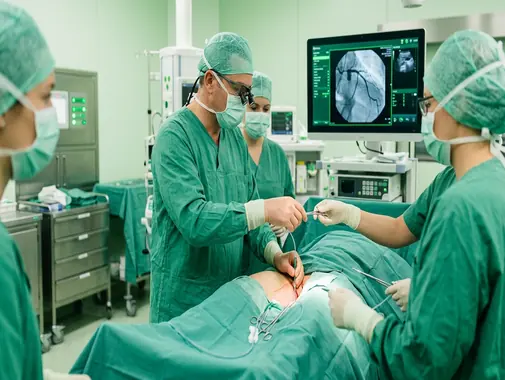
Comprehensive Arterial, Venous & Circulatory Care
The Vascular Surgery Department at AS Medical Complex provides specialist evaluation, diagnosis, medical management, procedural treatment, surgical consultation, and long-term follow-up for conditions affecting the arteries, veins, and circulation outside the heart and brain.
Vascular diseases can reduce blood flow to the legs, feet, arms, kidneys, intestines, neck, and other parts of the body. Venous disorders can also interfere with the normal return of blood toward the heart, producing swelling, discomfort, varicose veins, skin changes, ulcers, or blood clots.
The Ali Medical reference page likewise describes its Vascular Surgery Department as specializing in the diagnosis and treatment of conditions affecting the vascular system.
At AS Medical Complex, our goal is to identify vascular disease early, protect circulation, relieve symptoms, prevent serious complications, preserve limbs where possible, and determine whether each patient is best treated with lifestyle and medical management, minimally invasive vascular intervention, open surgery, or continued monitoring.
Our Vascular Surgery Services
The Vascular Surgery Department at AS Medical Complex may provide assessment and management for:
-
Peripheral Artery Disease – PAD
-
Peripheral vascular disease
-
Poor circulation in the legs
-
Intermittent claudication
-
Rest pain caused by poor arterial circulation
-
Chronic limb-threatening ischemia
-
Acute limb ischemia
-
Diabetic-foot circulation problems
-
Non-healing foot or leg wounds
-
Gangrene related to poor circulation
-
Carotid artery disease
-
Carotid artery stenosis
-
Abdominal aortic aneurysm
-
Selected aortic disorders
-
Arterial narrowing and blockage
-
Arterial thrombosis
-
Selected arterial aneurysms
-
Varicose veins
-
Chronic venous insufficiency
-
Leg swelling related to venous disease
-
Venous ulcers
-
Deep Vein Thrombosis – DVT assessment
-
Post-thrombotic venous problems
-
Superficial venous disease
-
Dialysis vascular-access assessment
-
Arteriovenous fistula assessment
-
Vascular trauma
-
Vascular ultrasound assessment
-
Duplex Doppler studies
-
CT angiography review
-
Angiography where clinically indicated
-
Angioplasty and stenting where appropriate and available
-
Vascular bypass surgery where appropriate
-
Open arterial reconstruction
-
Carotid procedures where clinically indicated
-
Varicose-vein procedures where available
-
Vascular surgical second opinions
-
Postoperative vascular follow-up
The specific procedures available should be confirmed according to the patient's diagnosis, vascular surgeon, and facilities at AS Medical Complex.
Peripheral Artery Disease – PAD
What Is Peripheral Artery Disease?
Peripheral Artery Disease (PAD) occurs when arteries supplying the limbs—most commonly the legs—become narrowed or blocked, usually because of atherosclerotic plaque.
Reduced arterial blood flow can initially cause symptoms during walking. More advanced disease can threaten tissue survival and potentially lead to wounds, gangrene, or limb loss.
The Society for Vascular Surgery describes PAD as a chronic disease involving plaque buildup in arteries supplying the legs, which can progressively restrict or completely block blood flow.
Symptoms of PAD
Possible symptoms include:
-
Leg pain while walking
-
Calf pain during exercise
-
Thigh or buttock pain with walking
-
Symptoms that improve with rest
-
Cold feet
-
Reduced pulses
-
Numbness or weakness
-
Slow-healing wounds
-
Toe or foot ulcers
-
Changes in skin color
-
Reduced hair growth on the legs
-
Rest pain in advanced disease
Some patients can have significant arterial disease without typical walking pain, particularly when activity is already limited.
Intermittent Claudication
Intermittent claudication describes muscle pain or discomfort that develops during walking because the muscles are not receiving adequate arterial blood flow.
Pain commonly affects the:
-
Calf
-
Thigh
-
Buttock
Symptoms often improve after resting and return when walking resumes.
Claudication can be an important sign of PAD and should prompt assessment of both limb circulation and overall cardiovascular risk.
Risk Factors for Peripheral Artery Disease
Important factors associated with PAD include:
-
Smoking
-
Diabetes
-
High blood pressure
-
High cholesterol
-
Increasing age
-
Obesity
-
Physical inactivity
-
Family history of vascular disease
-
Other cardiovascular disease
The Society for Vascular Surgery identifies diabetes, smoking, hypertension, high cholesterol, age, obesity, and lack of exercise among important PAD risk factors.
Managing these factors is an important component of vascular treatment.
PAD Treatment
Treatment depends on:
-
Severity of symptoms
-
Location of arterial disease
-
Walking limitation
-
Presence of wounds
-
Degree of ischemia
-
Diabetes
-
Kidney function
-
Cardiovascular risk
-
Patient's overall health
Treatment may include:
-
Smoking cessation
-
Structured walking and exercise
-
Appropriate medical therapy
-
Blood-pressure management
-
Cholesterol management
-
Diabetes control
-
Foot care
-
Angioplasty
-
Stent placement
-
Surgical bypass
The Society for Vascular Surgery lists walking exercise, smoking cessation and medication among PAD treatments, with angioplasty, stenting, atherectomy, or surgical bypass considered for more serious disease.
Chronic Limb-Threatening Ischemia
Advanced arterial disease can reduce blood flow so severely that tissue in the foot or leg becomes threatened.
Patients may develop:
-
Persistent foot pain at rest
-
Pain worse at night
-
Non-healing ulcers
-
Blackened toes
-
Gangrene
-
Severe reduction in circulation
This requires urgent vascular assessment.
Treatment may be aimed at restoring enough blood flow to:
-
Relieve ischemic pain
-
Promote wound healing
-
Control infection
-
Preserve viable tissue
-
Reduce the risk of amputation
Advanced PAD requires timely treatment because inadequate blood flow can ultimately threaten the limb.
Diabetic Foot & Vascular Disease
Diabetes can damage both blood vessels and nerves, increasing the risk of foot wounds, infection, delayed healing, and vascular complications. WHO notes that prolonged high blood glucose can damage blood vessels and nerves.
Patients with diabetes should seek vascular assessment when they develop:
-
Non-healing foot wound
-
Toe ulcer
-
Black or discolored toe
-
Cold foot
-
Reduced foot pulses
-
Persistent foot pain
-
Significant circulation abnormality
-
Recurrent foot wounds
A diabetic foot problem may involve several factors at the same time, including:
-
Poor arterial blood flow
-
Neuropathy
-
Infection
-
Pressure
-
Poor wound healing
Care may therefore require collaboration among:
-
Vascular Surgery
-
Endocrinology
-
Infectious Disease
-
General Surgery
-
Orthopedics
-
Radiology
-
Wound-care services
-
Other relevant specialties
Limb-Salvage Assessment
When poor circulation contributes to a non-healing wound or gangrene, the vascular surgeon assesses whether blood flow can be improved.
Investigations may help determine:
-
Where arteries are narrowed or blocked
-
How severe the circulation problem is
-
Whether tissue remains viable
-
Whether endovascular treatment is possible
-
Whether bypass surgery may be appropriate
The aim, when medically possible, is to restore sufficient circulation and preserve useful limb function.
Acute Limb Ischemia
Acute Limb Ischemia (ALI) occurs when blood flow to an arm or leg suddenly decreases or stops.
The Society for Vascular Surgery describes ALI as a sudden lack of limb blood flow that can rapidly cause tissue damage and limb loss without prompt treatment.
Possible warning signs include:
-
Sudden severe limb pain
-
Pale skin
-
Cold limb
-
Numbness
-
Weakness
-
Loss of pulse
-
Difficulty moving the limb
Acute limb ischemia is a vascular emergency.
Patients with sudden severe circulation loss require immediate emergency assessment rather than waiting for a routine vascular clinic appointment.
Angioplasty
Angioplasty is a minimally invasive vascular procedure in which a balloon catheter is used to widen a narrowed or blocked artery.
It may be considered for selected patients with arterial disease.
During the procedure:
-
A catheter is advanced into the affected vessel.
-
The narrowing is identified.
-
A balloon is positioned across the affected area.
-
The balloon is inflated to improve the vessel opening.
A stent may sometimes be placed to help maintain arterial patency.
The Society for Vascular Surgery includes balloon angioplasty and stent placement among treatment options for significant PAD.
Availability and suitability at AS Medical Complex should be determined by specialist assessment.
Vascular Stents
A vascular stent is a small expandable device placed inside an artery to help keep an appropriately treated segment open.
Stents may be used in selected arterial conditions following angioplasty.
Whether a patient requires:
-
Angioplasty alone
-
Angioplasty with stenting
-
Open surgery
-
Medical treatment
depends on the anatomy and clinical condition.
Surgical Bypass
Vascular bypass surgery creates an alternative route for blood to travel around a significantly blocked artery.
A bypass may use:
-
The patient's own vein
-
A synthetic vascular graft
-
Another appropriate conduit
Bypass surgery may be considered when:
-
Arterial disease is extensive
-
Endovascular treatment is not appropriate
-
Previous treatment has failed
-
Blood flow needs to be restored to a threatened limb
Surgical bypass remains an established treatment option for selected patients with significant PAD.
Varicose Veins
What Are Varicose Veins?
Varicose veins are enlarged, twisted superficial veins, usually involving the legs.
They develop when normal venous function is impaired and blood pools within superficial veins.
Patients may experience:
-
Visible enlarged veins
-
Aching
-
Heaviness
-
Leg fatigue
-
Swelling
-
Itching
-
Burning
-
Night cramps
-
Skin changes
Not every visible vein requires treatment.
A vascular assessment determines whether the condition is primarily cosmetic or associated with significant venous disease.
Chronic Venous Insufficiency
Chronic Venous Insufficiency (CVI) occurs when venous valves do not function effectively and blood pools within the legs, increasing pressure inside the veins.
Symptoms may include:
-
Ankle swelling
-
Leg swelling
-
Heaviness
-
Aching
-
Itching
-
Visible varicose veins
-
Brown discoloration around the ankles
-
Skin thickening
-
Venous ulcers
The Society for Vascular Surgery identifies swelling, heaviness, skin discoloration, varicose veins, and difficult-to-heal ulcers among manifestations of chronic venous insufficiency.
Venous Ulcers
Long-standing venous hypertension may contribute to wounds around the lower leg or ankle.
Venous ulcers may require:
-
Vascular assessment
-
Wound care
-
Compression treatment where appropriate
-
Venous duplex ultrasound
-
Treatment of underlying venous disease
A non-healing leg ulcer should not automatically be assumed to be venous.
Arterial disease, diabetes, infection, pressure, and other causes should also be considered.
Varicose Vein Assessment
Evaluation may involve:
-
Medical history
-
Examination while standing
-
Assessment of swelling
-
Skin examination
-
Venous duplex ultrasound
Duplex ultrasound can identify abnormal venous reflux and help determine which superficial or deep veins are involved. Society for Vascular Surgery guidance specifically recognizes duplex scanning in the assessment of clinically significant superficial venous reflux.
Varicose Vein Treatment
Management depends on symptoms and severity.
Options may include:
-
Regular movement
-
Leg elevation
-
Weight management where appropriate
-
Compression stockings
-
Endovenous ablation where available
-
Selected vein procedures
-
Surgical treatment in appropriate patients
The Society for Vascular Surgery identifies compression and procedural treatments among approaches used for symptomatic varicose veins.
Not every patient requires a procedure.
Deep Vein Thrombosis – DVT
Deep Vein Thrombosis (DVT) occurs when a blood clot forms in a deep vein, most often in the leg.
The clot can partially or completely block venous blood flow.
Possible symptoms include:
-
One-sided leg swelling
-
Leg pain
-
Tenderness
-
Warmth
-
Redness or discoloration
-
Enlarged superficial veins
Some patients with DVT may have few symptoms.
Why DVT Is Important
A major concern with DVT is that part of the clot may break away and travel to the lungs, producing a Pulmonary Embolism (PE).
Possible symptoms of pulmonary embolism include:
-
Sudden shortness of breath
-
Sharp chest pain
-
Rapid breathing
-
Fast pulse
-
Cough, sometimes with blood
-
Lightheadedness
-
Fainting
These symptoms require immediate emergency medical care.
DVT Treatment
Treatment depends on:
-
Clot location
-
Clot extent
-
Symptoms
-
Bleeding risk
-
Previous DVT
-
Other medical conditions
Most patients require appropriate anticoagulant treatment.
Selected extensive acute DVTs may require additional specialist intervention, such as catheter-directed treatment in carefully selected situations.
Treatment decisions should be individualized because anticoagulant medicines can also carry bleeding risks.
Post-Thrombotic Syndrome
Some patients develop long-term venous symptoms after DVT because of damage to venous valves.
Possible symptoms may include:
-
Persistent swelling
-
Heaviness
-
Aching
-
Skin discoloration
-
Chronic venous changes
-
Ulcers in severe cases
A previous DVT is one recognized cause of chronic venous insufficiency.
Carotid Artery Disease
The carotid arteries are major arteries in the neck that supply blood to the brain.
Carotid artery disease occurs when plaque causes narrowing or blockage within these vessels.
Significant carotid stenosis can increase the risk of:
-
Transient Ischemic Attack – TIA
-
Stroke
The Society for Vascular Surgery describes carotid stenosis as narrowing caused by plaque buildup that may lead to stroke or “mini-stroke.”
Symptoms of TIA or Stroke
Seek immediate emergency care for sudden:
-
Facial weakness
-
Arm weakness
-
Leg weakness
-
Numbness on one side
-
Difficulty speaking
-
Difficulty understanding speech
-
Sudden loss of vision
-
Severe imbalance
-
Other acute neurological deficits
A TIA may improve quickly, but it can be a warning sign of a subsequent stroke.
These symptoms should not wait for a routine vascular appointment.
Carotid Disease Assessment
Evaluation may include:
-
Medical history
-
Neurological history
-
Vascular examination
-
Carotid duplex ultrasound
-
CT angiography
-
MR angiography
-
Additional imaging where appropriate
Treatment depends on:
-
Degree of stenosis
-
Whether symptoms have occurred
-
Overall stroke risk
-
Age
-
Medical condition
-
Anatomy
Treatment of Carotid Artery Disease
Management may include:
-
Smoking cessation
-
Blood-pressure management
-
Cholesterol management
-
Diabetes management
-
Appropriate medication
-
Carotid intervention in selected patients
Society for Vascular Surgery guidance emphasizes management of smoking, hypertension, cholesterol, and other cardiovascular risk factors in patients with carotid stenosis.
Some patients with significant carotid disease may require a procedure to improve blood flow and reduce future stroke risk.
Carotid Endarterectomy
Carotid endarterectomy is an open surgical procedure used in selected patients to remove plaque from a significantly narrowed carotid artery.
The decision depends on:
-
Degree of narrowing
-
Previous TIA or stroke
-
Patient's age
-
Medical risk
-
Anatomy
-
Expected benefit
Not every carotid narrowing requires surgery.
Endovascular Carotid Treatment
Selected patients may be considered for endovascular carotid treatment instead of conventional open surgery.
One approach used in vascular practice is transcarotid artery revascularization (TCAR), a minimally invasive technique used for selected carotid stenosis.
Availability of specialized carotid interventions at AS Medical Complex should be confirmed according to the treating vascular team and facilities.
Abdominal Aortic Aneurysm – AAA
The aorta is the largest artery in the body.
An Abdominal Aortic Aneurysm (AAA) occurs when a weakened section of the abdominal aorta enlarges or bulges.
The major danger is rupture, which can cause life-threatening internal bleeding.
Many aneurysms produce no symptoms until they become large or complicated.
Symptoms of an Aortic Aneurysm
A patient with an aneurysm may sometimes develop:
-
Persistent abdominal pain
-
Back pain
-
A pulsating sensation within the abdomen
Sudden severe abdominal or back pain in a person with a known or suspected AAA requires urgent medical assessment.
Society for Vascular Surgery guidance recommends urgent CT evaluation when symptomatic AAA is suspected.
Aneurysm Diagnosis
AAA may be detected using:
-
Abdominal ultrasound
-
CT angiography
-
Other vascular imaging
Ultrasound is commonly used to screen for and measure an abdominal aortic aneurysm, while CT angiography provides detailed information regarding its size, location, extent, and anatomy for treatment planning.
Monitoring an Aortic Aneurysm
Not every aneurysm requires immediate surgery.
Smaller aneurysms may be monitored with periodic imaging.
The frequency of follow-up depends on:
-
Aneurysm diameter
-
Growth
-
Symptoms
-
Individual risk factors
Society for Vascular Surgery recommendations use aneurysm size to guide surveillance intervals and recommend vascular-surgeon referral when AAA is diagnosed.
Aortic Aneurysm Repair
Repair may be considered based on:
-
Aneurysm size
-
Growth
-
Symptoms
-
Rupture risk
-
Anatomy
-
Patient age
-
Operative risk
Treatment may involve:
-
Open surgical repair
-
Endovascular aneurysm repair – EVAR
EVAR uses a stent graft placed through the arteries to exclude the aneurysm from normal blood flow.
The appropriate approach is selected after specialist imaging and assessment.
Aortic Dissection
Aortic dissection occurs when a tear develops within the wall of the aorta and blood enters between its layers.
It can be a life-threatening vascular emergency.
Vascular surgeons may participate in diagnosis and endovascular or open surgical management depending on the location and nature of the dissection.
Sudden severe chest, back, or abdominal pain requires emergency medical assessment.
Other Arterial Conditions
Vascular Surgery may also assess selected conditions such as:
-
Arm artery disease
-
Aortoiliac disease
-
Renal artery disease
-
Mesenteric artery disease
-
Arterial dissections
-
Peripheral aneurysms
-
Vascular malformations
-
Other arterial abnormalities
The Society for Vascular Surgery recognizes a broad spectrum of arterial and venous disorders within vascular practice.
Dialysis Vascular Access
Patients receiving hemodialysis require reliable access to the bloodstream.
Vascular surgeons may participate in creation or management of:
-
Arteriovenous fistulas
-
Arteriovenous grafts
-
Other dialysis-access procedures
The Society for Vascular Surgery includes chronic kidney disease and dialysis access within its vascular-condition resources.
Care may be coordinated with the Nephrology Department.
Arteriovenous Fistula
An AV fistula surgically connects an artery to a vein so the vein can enlarge and become suitable for repeated dialysis access.
Patients with an AV fistula may require vascular assessment if there is:
-
Reduced flow
-
Swelling
-
Pain
-
Bleeding
-
Infection
-
Difficulty using the access
-
Suspected thrombosis
The dialysis and vascular teams work together to preserve functional access whenever possible.
Vascular Trauma
Injuries can damage major arteries or veins.
Possible causes include:
-
Road traffic accidents
-
Penetrating injuries
-
Workplace trauma
-
Fractures
-
Surgical complications
-
Other major injuries
Signs of serious vascular injury may include:
-
Severe bleeding
-
Rapidly expanding swelling
-
Cold limb
-
Loss of pulse
-
Numbness
-
Weakness
-
Pale or blue limb
Suspected major vascular injury is an emergency.
Vascular Diagnostic Testing
Depending on the patient's symptoms, vascular evaluation may include:
-
Pulse examination
-
Blood-pressure comparison
-
Ankle-Brachial Index – ABI
-
Duplex Doppler ultrasound
-
Arterial Doppler
-
Venous Doppler
-
Carotid Doppler
-
CT angiography
-
MR angiography
-
Conventional angiography
-
Laboratory testing
-
Wound assessment
-
Other specialized vascular investigations
The appropriate test is selected according to the suspected vascular condition.
Duplex Doppler Ultrasound
Duplex ultrasound combines conventional ultrasound with assessment of blood flow.
It may be used to evaluate:
-
Arterial narrowing
-
Arterial blockage
-
Varicose veins
-
Venous reflux
-
DVT
-
Carotid disease
-
Vascular bypass grafts
-
Other blood-flow abnormalities
Duplex scanning is particularly important in the evaluation of venous reflux and carotid disease.
Ankle-Brachial Index – ABI
The Ankle-Brachial Index compares blood pressure measured at the ankle with blood pressure measured in the arm.
It can help identify reduced arterial blood flow to the legs and is commonly used in PAD assessment.
Results are interpreted together with symptoms, examination, diabetes status, and additional vascular imaging where required.
CT Angiography – CTA
CT angiography uses CT imaging and intravenous contrast to produce detailed images of blood vessels.
It may help assess:
-
Peripheral arterial disease
-
Aortic aneurysm
-
Carotid disease
-
Vascular trauma
-
Other arterial abnormalities
CTA can provide important anatomical information when planning aneurysm repair.
Patients should inform their doctors about:
-
Kidney disease
-
Previous contrast reactions
-
Significant allergies
-
Pregnancy where relevant
-
Current medications
Angiography
Conventional angiography involves introducing contrast into blood vessels and using X-ray imaging to visualize arterial anatomy.
In selected patients it can be used both to diagnose disease and guide endovascular treatment.
Procedures such as:
-
Angioplasty
-
Stenting
-
Other catheter-based treatment
may sometimes be performed during the same vascular intervention.
Medical Management of Vascular Disease
Vascular surgeons do not treat every patient with an operation.
Many vascular diseases require strong medical management, including:
-
Smoking cessation
-
Exercise
-
Blood-pressure control
-
Cholesterol management
-
Diabetes control
-
Appropriate medication
-
Foot care
-
Weight management where clinically appropriate
For PAD, lifestyle modification and medical treatment are important even when an intervention is eventually required.
Smoking & Vascular Disease
Smoking is an important modifiable vascular risk factor.
Smoking cessation is particularly important for patients with:
-
PAD
-
Carotid disease
-
Aortic aneurysm
-
Other atherosclerotic vascular disease
The Society for Vascular Surgery specifically recommends smoking cessation as part of PAD management and to reduce risk associated with AAA.
Diabetes & Vascular Health
Diabetes can contribute to damage involving:
-
Blood vessels
-
Nerves
-
Kidneys
-
Eyes
-
Other organs
Persistent high blood glucose can damage vascular structures over time.
Patients with diabetes and vascular disease may require coordinated management involving:
-
Vascular Surgery
-
Endocrinology
-
Cardiology
-
Nephrology
-
Diet & Nutrition
-
Wound care
-
Other specialties
Exercise & Vascular Health
Regular physical activity is part of treatment for many patients with stable PAD and can improve walking ability and overall cardiovascular health.
The Society for Vascular Surgery identifies walking exercise as a key part of PAD treatment.
Exercise recommendations should still be individualized, particularly for patients with:
-
Severe limb ischemia
-
Active foot wounds
-
Major heart disease
-
Significant mobility limitations
-
Other serious medical problems
Foot Care in Poor Circulation
Patients with diabetes or reduced leg circulation should monitor their feet carefully.
Seek medical assessment for:
-
Blister that does not heal
-
New ulcer
-
Blackened skin
-
Redness
-
Infection
-
New swelling
-
Persistent foot pain
-
New color or temperature change
A foot sore that does not heal is one of the warning signs for which Society for Vascular Surgery patient resources recommend medical evaluation.
Open vs Endovascular Vascular Surgery
Modern vascular treatment may involve either:
Open surgery
The surgeon directly exposes and repairs or bypasses the affected blood vessel.
Endovascular treatment
Catheters and guidewires are advanced through blood vessels to treat disease from within the circulation.
Examples may include:
-
Angioplasty
-
Stenting
-
Endovascular aneurysm repair
-
Selected thrombus treatments
Some patients are better suited to open surgery, some to endovascular treatment, and others do not require an intervention at all.
The most appropriate approach depends on vascular anatomy, severity of disease, age, medical condition, previous treatment, and expected long-term benefit.
Preparing for Vascular Surgery
Before a planned vascular procedure, assessment may include:
-
Medical history
-
Vascular examination
-
Blood tests
-
Kidney-function testing
-
ECG
-
Vascular ultrasound
-
CT angiography
-
Cardiac assessment where needed
-
Anesthesia evaluation
-
Medication review
Patients should tell the medical team about:
-
Blood thinners
-
Diabetes medication
-
Heart conditions
-
Kidney disease
-
Lung disease
-
Previous vascular procedures
-
Allergies
-
Previous contrast reactions
-
Smoking
-
Previous anesthesia complications
Important prescription medication should not be stopped without specific medical instructions.
Vascular Surgery & Anesthesia
Open vascular operations and many advanced vascular interventions may require anesthesia.
The anesthesia plan depends on:
-
Procedure
-
Duration
-
Patient health
-
Cardiovascular status
-
Kidney function
-
Expected blood loss
-
Other medical conditions
Care may involve:
-
General anesthesia
-
Regional anesthesia
-
Local anesthesia with sedation
-
Other techniques
depending on the procedure.
Recovery After Vascular Surgery
Recovery depends heavily on the procedure performed.
After treatment, patients may require:
-
Monitoring of blood flow
-
Pulse checks
-
Wound care
-
Pain management
-
Medication
-
Early mobilization
-
Blood-clot prevention
-
Imaging follow-up
-
Lifestyle modification
-
Long-term vascular surveillance
Patients undergoing bypass, carotid surgery, aneurysm repair, or endovascular procedures may have very different recovery plans.
Long-Term Vascular Follow-Up
Vascular disease is often chronic.
Even after successful intervention, patients may require ongoing monitoring.
Follow-up can help the vascular surgeon:
-
Review symptoms
-
Examine circulation
-
Monitor vascular grafts
-
Monitor stents
-
Monitor aneurysm size
-
Review carotid disease
-
Assess wounds
-
Monitor venous disease
-
Identify recurrent narrowing
-
Adjust treatment plans
Patients should continue management of major vascular risk factors even when symptoms improve.
When Should You Visit a Vascular Surgeon?
You may consider vascular assessment if you have:
-
Leg pain while walking
-
Poor circulation in the legs
-
Cold or discolored feet
-
Non-healing foot or leg wounds
-
Gangrene
-
Diabetic foot with suspected poor circulation
-
Varicose veins with significant symptoms
-
Persistent leg swelling
-
Venous skin changes
-
Venous ulcers
-
Previous DVT with chronic leg problems
-
Carotid artery narrowing
-
Abdominal aortic aneurysm
-
An abnormal arterial or venous Doppler
-
Significant arterial blockage on imaging
-
Dialysis vascular-access problems
-
A condition for which vascular surgery has been recommended
-
A need for a vascular surgical second opinion
When Is Emergency Vascular Care Required?
Seek immediate emergency medical attention for:
-
Sudden severe leg or arm pain with a cold limb
-
Sudden loss of pulse in a limb
-
Sudden limb weakness or numbness with circulation loss
-
Rapidly worsening gangrene
-
Severe bleeding from a vascular site
-
Sudden severe abdominal or back pain with known or suspected aneurysm
-
Sudden facial or limb weakness suggesting stroke
-
Sudden difficulty speaking
-
DVT symptoms accompanied by shortness of breath
-
Sudden chest pain with suspected pulmonary embolism
-
Major vascular trauma
-
Severe uncontrolled bleeding after vascular surgery
Acute limb ischemia can rapidly threaten an arm or leg and is a vascular emergency.
Likewise, DVT can lead to pulmonary embolism, and sudden shortness of breath or chest pain requires emergency assessment.
Multidisciplinary Vascular Care
Vascular disease often occurs alongside other medical conditions.
Depending on the patient's diagnosis, Vascular Surgery may coordinate with:
-
Cardiology
-
Endocrinology
-
Nephrology
-
Neurology
-
General Medicine
-
Radiology
-
Infectious Disease
-
General Surgery
-
Orthopedics
-
Anesthesia
-
Critical Care
-
Diet & Nutrition
-
Physiotherapy
-
Other relevant specialties
Examples include:
-
PAD and cardiovascular risk with Cardiology
-
Diabetic-foot disease with Endocrinology
-
Dialysis access with Nephrology
-
Carotid disease with Neurology
-
Infected ischemic wounds with Infectious Disease
-
Major vascular procedures with Anesthesia and Critical Care
This coordinated approach helps address both the blood-vessel disease and the medical conditions contributing to it.
Vascular Surgery FAQs
What does a vascular surgeon treat?
A vascular surgeon specializes in diseases affecting the arteries and veins. Common conditions include Peripheral Artery Disease, carotid disease, aortic aneurysms, DVT, chronic venous insufficiency, varicose veins, acute limb ischemia, and other vascular disorders. The Ali Medical reference department similarly focuses on diagnosis and treatment of vascular-system conditions.
Does seeing a vascular surgeon mean I need surgery?
No. Many vascular conditions can initially be managed using exercise, smoking cessation, medication, cardiovascular-risk management, compression therapy, or surveillance. Procedures are considered when symptoms, anatomy, or the risk of complications make intervention appropriate.
What are common symptoms of poor circulation in the legs?
Symptoms can include calf or leg pain during walking, cold feet, reduced pulses, numbness, color changes, rest pain, and wounds that heal slowly. Advanced PAD can threaten tissue and increase the risk of limb loss.
Are varicose veins only a cosmetic problem?
Not always. Some varicose veins mainly create cosmetic concerns, but others are associated with chronic venous insufficiency and may cause aching, swelling, heaviness, skin discoloration, or venous ulcers.
What is DVT and why is it dangerous?
DVT is a blood clot within a deep vein, usually in the leg. Part of the clot can break away and travel to the lungs, producing a pulmonary embolism that can cause sudden shortness of breath, chest pain, collapse, or death.
What is an abdominal aortic aneurysm?
An abdominal aortic aneurysm is an abnormal enlargement of a weakened section of the abdominal aorta. If an aneurysm ruptures, it can cause severe internal bleeding and become life-threatening. Smaller aneurysms may be monitored, while selected larger or symptomatic aneurysms may require repair.
Which vascular symptoms require emergency treatment?
Sudden loss of circulation to an arm or leg, sudden severe abdominal or back pain with suspected aneurysm, major vascular bleeding, stroke symptoms, or DVT accompanied by chest pain or shortness of breath require immediate emergency care. Acute limb ischemia in particular requires urgent treatment to prevent permanent tissue damage and possible limb loss.
Vascular Surgery Care at AS Medical Complex
The Vascular Surgery Department at AS Medical Complex is committed to providing comprehensive, patient-focused assessment and treatment for diseases affecting the arteries, veins, and circulation.
From Peripheral Artery Disease, diabetic-foot circulation problems, non-healing wounds, varicose veins, chronic venous insufficiency, and DVT to carotid artery disease, aortic aneurysms, arterial blockages, dialysis access, and vascular emergencies, our goal is to identify vascular disease early and provide the most appropriate medical, endovascular, or surgical treatment.
Whenever possible, treatment focuses on protecting circulation, preventing complications, preserving limb function, controlling vascular risk factors, and providing long-term vascular follow-up.
Book an appointment with our Vascular Surgery Department for poor leg circulation, PAD, diabetic-foot vascular assessment, varicose veins, chronic leg swelling, vascular ulcers, carotid disease, aortic aneurysm evaluation, abnormal vascular Doppler findings, and specialist vascular surgical consultation.