General and Laparoscopic Surgery at AS Medical Complex
Contact hospital
- Availability
Contact hospital
- Booking
WhatsApp / call
- Location
Islamabad
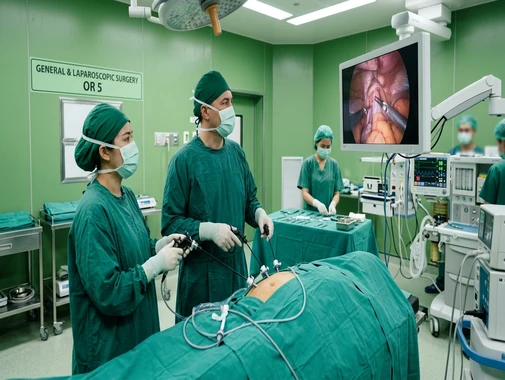
Comprehensive General & Minimally Invasive Surgical Care
The General & Laparoscopic Surgery Department at AS Medical Complex provides comprehensive surgical assessment, treatment, operative care, and postoperative follow-up for a wide range of conditions affecting the abdomen, digestive system, gallbladder, appendix, hernias, breast, thyroid, skin, and soft tissues.
General surgery covers many common and complex surgical conditions, while laparoscopic surgery allows selected operations to be performed through several small incisions using a camera and specialized surgical instruments.
The Ali Medical reference department similarly describes General Surgery as covering procedures involving the abdomen, digestive tract, endocrine system, breast, skin, and soft tissues.
Our surgical approach focuses on accurate diagnosis, appropriate patient selection, careful operative planning, patient safety, effective pain management, and appropriate recovery after surgery.
Whenever clinically suitable, minimally invasive techniques may be considered. However, the safest and most appropriate approach—laparoscopic or open surgery—is determined individually by the surgeon.
Our General & Laparoscopic Surgery Services
The General & Laparoscopic Surgery Department at AS Medical Complex may provide assessment and treatment for:
-
Gallstones
-
Gallbladder disease
-
Acute and chronic cholecystitis
-
Laparoscopic gallbladder removal
-
Appendicitis
-
Laparoscopic appendectomy
-
Inguinal hernia
-
Umbilical hernia
-
Incisional hernia
-
Ventral hernia
-
Other abdominal wall hernias
-
Abdominal pain requiring surgical assessment
-
Intestinal obstruction
-
Selected bowel conditions
-
Perianal conditions
-
Hemorrhoids
-
Anal fissure
-
Anal fistula
-
Abscesses
-
Pilonidal disease
-
Breast lumps
-
Selected benign breast conditions
-
Thyroid lumps and surgical thyroid conditions
-
Skin and soft-tissue lumps
-
Lipomas
-
Sebaceous or epidermoid cysts
-
Wound infections
-
Surgical wound assessment
-
Soft-tissue infections
-
Biopsy and excision of selected lesions
-
Emergency general surgery
-
Diagnostic laparoscopy
-
Laparoscopic abdominal surgery
-
Open general surgery
-
Pre-operative surgical assessment
-
Postoperative care
-
Surgical second opinions
-
Long-term follow-up after surgery
The exact procedure recommended depends on the patient's diagnosis, clinical condition, imaging, medical history, and surgeon's assessment.
What Is Laparoscopic Surgery?
Laparoscopic surgery, often called minimally invasive or keyhole surgery, is an operative technique in which the surgeon performs selected abdominal procedures through small incisions.
A thin camera called a laparoscope is inserted into the abdomen, allowing the surgeon to view the operative area on a monitor. Specialized instruments are introduced through additional small openings to perform the procedure.
For appropriate operations and patients, laparoscopic surgery may offer advantages such as:
-
Smaller surgical incisions
-
Less postoperative discomfort in many cases
-
Shorter hospital stay for selected procedures
-
Earlier return to routine activities
-
Smaller scars
For laparoscopic gallbladder surgery specifically, SAGES describes smaller incisions, less pain than open surgery, and quicker recovery among its potential advantages.
However, laparoscopic surgery is not automatically the best or safest approach for every patient.
The surgeon considers the disease, previous surgery, anatomy, medical conditions, urgency, and operative findings before selecting the surgical approach.
Laparoscopic vs Open Surgery
Some operations can be performed using either a laparoscopic or traditional open surgical technique.
Laparoscopic surgery generally involves:
-
Several small incisions
-
Use of a camera
-
Long specialized surgical instruments
-
Inflation of the abdominal cavity to create working space
-
General anesthesia for many procedures
Open surgery generally involves:
-
A larger incision
-
Direct surgical access to the affected organ or tissue
A surgeon may plan laparoscopic surgery but decide during the operation that conversion to an open procedure is safer. SAGES and the American College of Surgeons both note that conversion from laparoscopic to open gallbladder surgery may be necessary when circumstances make open surgery the safer option.
Conversion to open surgery should therefore not automatically be viewed as a complication; it can represent an appropriate surgical safety decision.
Gallstones & Gallbladder Disease
The gallbladder stores bile produced by the liver.
Gallstones can develop inside the gallbladder and may cause no symptoms in some patients. In others, they can cause recurrent pain, inflammation, infection, or obstruction.
Patients may experience:
-
Pain in the upper right abdomen
-
Pain following meals
-
Pain radiating toward the back or shoulder
-
Nausea
-
Vomiting
-
Bloating
-
Recurrent episodes of abdominal pain
-
Fever if infection develops
-
Jaundice if the bile duct becomes obstructed
Patients with symptomatic gallstones or gallbladder inflammation may require surgical assessment.
Laparoscopic Cholecystectomy
Laparoscopic cholecystectomy is a minimally invasive operation used to remove the gallbladder.
It is commonly performed under general anesthesia through several small abdominal incisions. The laparoscope allows the surgeon to visualize the gallbladder while specialized instruments are used to separate and remove it.
The procedure may be recommended for selected patients with:
-
Symptomatic gallstones
-
Recurrent gallbladder attacks
-
Gallbladder inflammation
-
Other clinically significant gallbladder disease
Many patients undergoing uncomplicated laparoscopic cholecystectomy can leave hospital relatively quickly, although hospital stay and recovery vary according to the patient's condition and operative findings.
Acute Cholecystitis
Acute cholecystitis refers to inflammation of the gallbladder, commonly associated with gallstones.
Symptoms may include:
-
Persistent upper-right abdominal pain
-
Fever
-
Nausea
-
Vomiting
-
Abdominal tenderness
-
Pain after eating
Patients may require:
-
Blood tests
-
Ultrasound
-
Intravenous fluids
-
Pain management
-
Antibiotics where clinically indicated
-
Surgical treatment
The timing of surgery depends on the patient's condition and the surgeon's assessment.
Appendicitis
Appendicitis occurs when the appendix becomes inflamed.
Common symptoms can include:
-
Abdominal pain
-
Pain moving toward the lower-right abdomen
-
Loss of appetite
-
Nausea
-
Vomiting
-
Fever
-
Increasing abdominal tenderness
Appendicitis may progress to perforation or infection within the abdomen if not appropriately treated.
Patients with symptoms suggesting acute appendicitis require prompt medical and surgical assessment.
Laparoscopic Appendectomy
An appendectomy is an operation to remove the appendix.
It may be performed laparoscopically or through an open approach depending on the patient's condition.
During laparoscopic appendectomy, the surgeon generally uses a camera and several small incisions to locate, separate, and remove the appendix.
Many uncomplicated cases have a relatively short hospital stay, while patients with a perforated appendix, abscess, or other complications may require longer hospitalization and additional treatment.
Hernia Surgery
A hernia occurs when tissue or an internal organ pushes through a weakened area of muscle or surrounding tissue.
Common types include:
-
Inguinal hernia
-
Femoral hernia
-
Umbilical hernia
-
Ventral hernia
-
Incisional hernia
Patients may notice:
-
A visible or palpable lump
-
Discomfort during lifting
-
Pain while coughing or straining
-
A dragging sensation
-
Increasing swelling while standing
-
Pain around a previous surgical incision
Hernias generally do not repair themselves permanently and may require surgical treatment depending on symptoms, size, risk of complications, and patient factors.
Inguinal Hernia
An inguinal hernia develops in the groin region and is one of the common hernias treated by general surgeons.
Patients may notice:
-
Groin swelling
-
Pain with activity
-
Discomfort when lifting
-
A bulge that becomes more noticeable while standing or coughing
-
Aching or pressure in the groin
The surgeon determines whether observation or repair is appropriate according to symptoms and individual circumstances.
Umbilical Hernia
An umbilical hernia occurs around the navel.
In adults, surgical assessment may be appropriate when the hernia:
-
Causes pain
-
Is increasing in size
-
Is difficult to reduce
-
Interferes with normal activity
-
Has concerning features
Repair may involve sutures, surgical mesh, or another technique depending on the size and nature of the defect.
Incisional Hernia
An incisional hernia can develop through a weakened area from a previous abdominal surgical incision.
Risk may be influenced by factors such as:
-
Previous abdominal surgery
-
Wound infection
-
Obesity
-
Chronic coughing
-
Repeated heavy straining
-
Other factors affecting wound healing
Treatment depends on the size, location, symptoms, previous operations, and overall medical condition.
Laparoscopic Hernia Repair
Selected abdominal-wall hernias can be repaired laparoscopically.
The surgeon views the hernia from inside the abdomen and repairs the defect using appropriate techniques, often involving surgical mesh depending on the type of hernia.
SAGES guidelines recognize laparoscopic repair as an established option for selected ventral hernias while emphasizing appropriate patient selection, operative technique, and postoperative management.
Not every hernia should be repaired laparoscopically. The surgical approach is selected individually.
Strangulated or Obstructed Hernia
A hernia can occasionally become trapped and compromise the blood supply to the tissue inside it.
Warning symptoms may include:
-
Sudden severe pain
-
A painful lump that cannot be pushed back
-
Increasing swelling
-
Vomiting
-
Abdominal distension
-
Inability to pass stool or gas
-
Redness or discoloration over the hernia
A suspected strangulated or obstructed hernia is a surgical emergency and requires urgent assessment.
Intestinal Obstruction
An intestinal obstruction occurs when the normal movement of intestinal contents becomes blocked.
Possible symptoms include:
-
Abdominal pain
-
Abdominal distension
-
Vomiting
-
Inability to pass stool
-
Inability to pass gas
-
Cramping
Potential causes include:
-
Previous surgical adhesions
-
Hernias
-
Tumors
-
Intestinal twisting
-
Other bowel conditions
Some obstructions can be managed without immediate surgery, while others require urgent operative treatment.
The appropriate management depends on the cause and severity of obstruction and the patient's overall condition.
Abdominal Pain Requiring Surgical Assessment
Abdominal pain has many possible causes and does not automatically indicate a surgical condition.
General surgeons may assess patients when symptoms suggest conditions such as:
-
Appendicitis
-
Gallbladder disease
-
Hernia
-
Bowel obstruction
-
Abdominal infection
-
Perforation
-
Other acute surgical conditions
Evaluation may involve:
-
Medical history
-
Abdominal examination
-
Blood tests
-
Urine tests
-
Ultrasound
-
CT scan
-
X-Ray
-
Other investigations
Severe, rapidly worsening, or persistent abdominal pain should receive appropriate medical assessment.
Diagnostic Laparoscopy
Diagnostic laparoscopy allows a surgeon to examine the abdominal or pelvic cavity using a laparoscope.
It may be considered when symptoms remain unexplained despite other investigations or when direct visualization can help establish a diagnosis.
SAGES describes diagnostic laparoscopy as a minimally invasive procedure used to examine abdominal structures and notes that many procedures can be performed without a prolonged hospital stay.
Depending on the findings, the surgeon may sometimes perform treatment during the same operation if this was planned and appropriately consented.
Hemorrhoids
Hemorrhoids are enlarged blood vessels in or around the anal canal.
Symptoms may include:
-
Bright-red bleeding
-
Anal discomfort
-
Itching
-
Swelling
-
A lump around the anus
-
Discomfort during bowel movements
Not all rectal bleeding is caused by hemorrhoids.
Patients with persistent bleeding should receive appropriate assessment to determine the underlying cause.
Treatment depends on severity and may include:
-
Dietary and bowel-habit modification
-
Medication
-
Office-based procedures
-
Surgery in selected patients
Anal Fissure
An anal fissure is a tear in the lining of the anal canal.
Typical symptoms may include:
-
Sharp pain during bowel movements
-
Pain continuing afterward
-
Small amounts of bright-red blood
-
Fear of passing stool because of pain
Many fissures can initially be treated without surgery.
Persistent or chronic fissures may require specialist surgical treatment depending on the patient's condition.
Anal Fistula
An anal fistula is an abnormal tract that can develop between the anal canal and surrounding skin, often following an abscess.
Symptoms may include:
-
Recurrent swelling
-
Pain
-
Pus or discharge
-
Recurrent abscesses
-
Irritation around the anal area
Fistulas often require surgical assessment because the treatment depends on the location of the tract and its relationship to muscles controlling continence.
Abscesses
An abscess is a localized collection of infected fluid or pus.
Patients may notice:
-
Pain
-
Swelling
-
Redness
-
Warmth
-
Fever
-
Pus or discharge
Some abscesses require drainage rather than antibiotics alone.
The surgeon determines the appropriate treatment according to:
-
Location
-
Size
-
Severity
-
Presence of systemic infection
-
Patient's medical condition
Pilonidal Disease
Pilonidal disease commonly affects the skin and tissues near the cleft between the buttocks.
It may cause:
-
Pain
-
Swelling
-
Recurrent infection
-
Drainage
-
Abscess formation
Treatment may include drainage for acute infection and, in selected recurrent cases, surgical treatment.
The surgical technique depends on the extent and pattern of disease.
Breast Lumps & Breast Surgery
General surgeons may assess selected breast conditions, particularly:
-
Breast lumps
-
Benign breast masses
-
Breast cysts
-
Breast abscesses
-
Abnormal imaging findings
-
Lesions requiring biopsy
-
Other surgical breast conditions
The Ali Medical reference description specifically includes the breast within the scope of General Surgery.
Not every breast lump requires surgery.
Assessment may involve:
-
Clinical breast examination
-
Ultrasound
-
Mammography
-
Biopsy
-
Other imaging
The treatment decision depends on the diagnosis.
Breast Biopsy
A biopsy may be recommended when a breast lesion requires tissue diagnosis.
Depending on the condition, biopsy may involve:
-
Needle biopsy
-
Image-guided biopsy
-
Surgical excision
The tissue is examined by Pathology to determine the nature of the lesion.
A biopsy recommendation does not automatically mean cancer is present; biopsy is performed to establish a diagnosis.
Thyroid Surgery
General surgeons may also participate in the surgical treatment of selected thyroid conditions, reflecting the endocrine component of General Surgery identified by the reference department.
Surgical assessment may be appropriate for:
-
Large thyroid nodules
-
Symptomatic goiter
-
Suspicious thyroid nodules
-
Thyroid enlargement causing pressure symptoms
-
Confirmed or suspected thyroid cancer
-
Selected overactive thyroid conditions
-
Other structural thyroid problems
Before surgery, evaluation may include:
-
Thyroid-function tests
-
Ultrasound
-
Needle biopsy
-
Endocrinology assessment
-
Other relevant investigations
Not every thyroid nodule requires surgery.
Thyroidectomy
A thyroidectomy involves removing part or all of the thyroid gland.
Depending on the diagnosis, surgery may involve:
-
Removal of one thyroid lobe
-
Partial thyroid surgery
-
Total thyroidectomy
The extent of surgery depends on:
-
Diagnosis
-
Nodule size
-
Biopsy findings
-
Thyroid function
-
Symptoms
-
Cancer risk
-
Other clinical factors
Patients undergoing major thyroid surgery may require postoperative monitoring of calcium levels and thyroid hormone replacement depending on the extent of gland removal.
Skin & Soft-Tissue Surgery
General surgeons commonly assess selected lumps and lesions affecting the skin and tissues beneath it.
These may include:
-
Lipomas
-
Epidermoid or sebaceous cysts
-
Abscesses
-
Soft-tissue masses
-
Selected skin lesions
-
Other superficial lumps
Some lesions require only observation, while others may require biopsy or surgical removal.
Any lump that is rapidly growing, unusually hard, painful, fixed, recurrent, or otherwise concerning should be appropriately evaluated before removal.
Lipoma
A lipoma is a fatty soft-tissue lump that is usually benign.
Surgical removal may be considered when a lipoma:
-
Causes discomfort
-
Is increasing in size
-
Interferes with movement
-
Creates cosmetic concern
-
Has uncertain diagnosis
-
Has concerning features
The surgeon assesses whether simple excision or additional investigation is appropriate.
Cysts
Skin and soft-tissue cysts are common.
Some remain small and asymptomatic, while others can:
-
Enlarge
-
Become painful
-
Become infected
-
Recur
-
Drain
-
Cause cosmetic concerns
Treatment depends on the type of cyst and whether active infection is present.
Surgical Wound Care
Patients may require surgical review for:
-
Wound infection
-
Delayed healing
-
Wound discharge
-
Wound separation
-
Persistent pain
-
Swelling
-
Postoperative redness
-
Drain-related concerns
Patients should contact the surgical team when postoperative wounds develop concerning changes.
Severe spreading redness, high fever, significant pus, rapid deterioration, or wound opening may require prompt medical assessment.
Emergency General Surgery
The General Surgery Department plays an important role in managing acute surgical conditions.
Emergency surgical assessment may be required for:
-
Acute appendicitis
-
Perforated appendix
-
Acute gallbladder inflammation
-
Bowel obstruction
-
Strangulated hernia
-
Gastrointestinal perforation
-
Severe abdominal infection
-
Intra-abdominal bleeding
-
Abscesses
-
Other acute surgical conditions
Emergency cases may require rapid assessment, stabilization, imaging, antibiotics, surgery, or critical-care support depending on the condition.
Pre-Operative Surgical Assessment
Before planned surgery, the surgeon reviews the patient's:
-
Diagnosis
-
Symptoms
-
Medical history
-
Previous operations
-
Current medications
-
Allergies
-
Blood-thinning medicines
-
Diabetes
-
Heart disease
-
Lung disease
-
Kidney disease
-
Imaging
-
Laboratory results
-
Previous anesthesia history
Further assessment may be required from:
-
Anesthesia
-
General Medicine
-
Cardiology
-
Pulmonology
-
Endocrinology
-
Nephrology
-
Other relevant specialties
The level of pre-operative assessment depends on the operation and patient's medical condition.
Preparing for Surgery
Patients should follow the individual instructions provided by their surgeon and anesthesia team.
Preparation may include:
-
Fasting before anesthesia
-
Medication adjustments
-
Blood tests
-
Imaging
-
ECG
-
Anesthesia assessment
-
Controlling blood glucose
-
Managing blood pressure
-
Stopping selected medicines when medically instructed
-
Arranging postoperative assistance
Patients should not independently stop prescription medication, particularly blood thinners, heart medicines, diabetes medicines, or seizure medicines, without medical advice.
Informed Consent
Before surgery, the surgeon should explain:
-
Diagnosis
-
Proposed procedure
-
Expected benefits
-
Important risks
-
Alternative treatments
-
Possibility of non-surgical treatment where applicable
-
Potential need for an open procedure
-
Recovery expectations
SAGES similarly emphasizes discussion of risks and benefits and informed consent before laparoscopic surgery.
Patients are encouraged to ask questions until they understand the proposed treatment.
Anesthesia for Laparoscopic Surgery
Many laparoscopic abdominal operations are performed under general anesthesia.
The anesthesia team is responsible for:
-
Pre-operative anesthesia assessment
-
Airway management
-
Monitoring
-
Pain control
-
Fluid management
-
Recovery from anesthesia
Laparoscopic cholecystectomy and appendectomy, for example, are commonly performed under general anesthesia.
At AS Medical Complex, surgical and anesthesia teams coordinate perioperative care according to the patient's medical condition.
Postoperative Recovery
Recovery varies according to:
-
Type of operation
-
Laparoscopic versus open approach
-
Patient age
-
Medical conditions
-
Presence of infection
-
Surgical complexity
-
Operative findings
-
Development of complications
After surgery, patients may receive:
-
Pain medication
-
Intravenous fluids
-
Antibiotics when indicated
-
Wound care
-
Early mobilization
-
Dietary instructions
-
Breathing exercises
-
Blood-clot prevention
-
Follow-up appointments
Patients should follow the discharge plan provided by their surgical team.
Recovery After Laparoscopic Surgery
For selected uncomplicated procedures, laparoscopic surgery can allow a relatively early return to routine activities compared with traditional open surgery.
For laparoscopic gallbladder surgery, SAGES reports smaller incisions and faster recovery compared with open surgery.
However, recovery is different for every patient.
Patients should not return to heavy lifting, strenuous exercise, or demanding work simply because the external incisions appear small. Internal tissues also require time to heal.
Diet After Abdominal Surgery
Dietary recommendations depend on the procedure.
Patients may initially be advised to progress through:
-
Fluids
-
Light meals
-
Normal food as tolerated
Some operations require more specific dietary instructions.
Patients should follow the advice provided by the treating surgeon rather than assuming the same postoperative diet applies to every abdominal operation.
Wound Care After Surgery
Patients should receive instructions regarding:
-
Keeping the wound clean
-
Bathing or showering
-
Dressings
-
Stitches or staples
-
Signs of infection
-
Activity restrictions
-
Follow-up
Contact the surgical team if the wound develops:
-
Increasing redness
-
Increasing pain
-
Significant swelling
-
Pus
-
Persistent bleeding
-
Separation
-
Fever
Possible Surgical Complications
Every surgical procedure carries potential risks.
Depending on the operation and patient, complications may include:
-
Bleeding
-
Infection
-
Blood clots
-
Anesthesia-related problems
-
Injury to nearby organs
-
Wound problems
-
Hernia formation
-
Need for additional surgery
-
Procedure-specific complications
For laparoscopic gallbladder surgery, SAGES lists potential complications including bleeding, infection, blood clots, hernia, and other procedure-specific problems.
The surgeon should discuss risks that are specifically relevant to the planned operation.
When Should You Visit a General Surgeon?
You may consider a General Surgery consultation if you have:
-
Symptomatic gallstones
-
Recurrent gallbladder pain
-
A hernia
-
Suspected appendicitis
-
Persistent abdominal pain requiring surgical assessment
-
Recurrent anal pain or bleeding
-
Hemorrhoids
-
Anal fistula or fissure
-
Recurrent abscess
-
Pilonidal disease
-
A breast lump requiring surgical evaluation
-
A thyroid condition for which surgery has been suggested
-
A skin or soft-tissue lump
-
An abnormal scan requiring surgical review
-
A condition for which another doctor has recommended surgery
-
A need for a surgical second opinion
-
Postoperative concerns requiring surgical follow-up
When Is Emergency Surgical Care Required?
Seek urgent medical attention for:
-
Severe or rapidly worsening abdominal pain
-
Persistent vomiting with abdominal swelling
-
Inability to pass stool or gas with severe symptoms
-
Severe right-lower abdominal pain with fever
-
Sudden severe gallbladder-type pain with fever
-
A painful hernia that cannot be pushed back
-
Severe abdominal tenderness
-
Fainting associated with abdominal symptoms
-
Vomiting blood
-
Significant rectal bleeding
-
Severe postoperative bleeding
-
Rapidly spreading wound infection
-
High fever after surgery
-
Sudden severe deterioration after an operation
These symptoms may indicate an acute surgical condition and should not wait for a routine outpatient appointment.
Coordinated Surgical Care
General Surgery frequently works with other medical and surgical specialties.
Depending on the patient's condition, care may be coordinated with:
-
Anesthesia
-
General Medicine
-
Gastroenterology
-
Radiology
-
Pathology
-
Endocrinology
-
Gynecology
-
Urology
-
Oncology
-
Cardiology
-
Pulmonology
-
Nephrology
-
Diet & Nutrition
-
Physiotherapy
-
Critical Care
-
Other relevant departments
This multidisciplinary approach helps ensure that medical conditions are considered alongside the surgical problem.
Long-Term Surgical Follow-Up
Some patients require continued monitoring after surgery.
Follow-up may help the surgeon:
-
Assess wound healing
-
Review pathology results
-
Monitor recovery
-
Review symptoms
-
Identify complications
-
Adjust activity restrictions
-
Review postoperative imaging
-
Determine whether additional treatment is required
-
Coordinate specialist referrals
At AS Medical Complex, our goal is to support patients through the entire surgical pathway—from initial assessment and diagnosis to surgery, recovery, and postoperative follow-up.
General and Laparoscopic Surgery FAQs
What is General & Laparoscopic Surgery?
General Surgery is a surgical specialty dealing with conditions affecting areas including the abdomen, digestive tract, endocrine organs, breast, skin, and soft tissues. Laparoscopic surgery is a minimally invasive surgical technique that allows selected operations to be performed through small incisions using a camera and specialized instruments.
What operations can be performed laparoscopically?
Common laparoscopic general-surgical procedures include gallbladder removal and appendectomy, while laparoscopic approaches may also be used for selected hernia repairs and other abdominal operations. The exact approach depends on the condition and surgeon's assessment.
Is laparoscopic surgery better than open surgery?
Neither approach is automatically better for every patient. Laparoscopic surgery can offer advantages such as smaller incisions and faster recovery for selected procedures, but some patients require open surgery because of their condition, anatomy, previous operations, or findings during surgery.
Do all gallstones need surgery?
No. The need for gallbladder surgery depends on whether gallstones are causing symptoms or complications and on the patient's clinical condition. Patients with recurrent symptomatic gallbladder disease may be assessed for cholecystectomy.
Does every hernia need immediate surgery?
No. The timing and need for repair depend on the type of hernia, symptoms, size, patient health, and risk of complications. However, a suddenly painful hernia that becomes trapped or is associated with vomiting or obstruction requires urgent assessment.
How long does recovery after laparoscopic surgery take?
Recovery depends on the specific operation and individual patient. Some uncomplicated laparoscopic procedures allow relatively rapid discharge and return to routine activities, while complicated disease or conversion to open surgery can require longer recovery.
Can laparoscopic surgery be changed to open surgery during the operation?
Yes. A surgeon may begin laparoscopically and convert to an open procedure if this becomes the safest way to complete the operation. This possibility is recognized in established laparoscopic surgical practice and should be discussed before surgery.
General & Laparoscopic Surgery Care at AS Medical Complex
The General & Laparoscopic Surgery Department at AS Medical Complex is committed to providing comprehensive, safe, and patient-focused surgical care.
From gallstones, appendicitis, hernias, abdominal conditions, hemorrhoids, fistulas, and soft-tissue problems to breast and thyroid surgical assessment, emergency surgery, and minimally invasive laparoscopic procedures, our goal is to provide appropriate diagnosis, individualized surgical planning, safe operative care, and structured postoperative follow-up.
Book an appointment with our General & Laparoscopic Surgery Department for gallbladder and gallstone surgery, hernia assessment, appendix surgery, abdominal surgical conditions, breast and thyroid surgical consultation, skin and soft-tissue lumps, and specialist laparoscopic surgical care.