Colonoscopy Service at AS Medical Complex
Contact hospital
- Availability
Contact hospital
- Booking
WhatsApp / call
- Location
Islamabad
Comprehensive Colon & Rectal Examination, Polyp Detection, Biopsy & Colorectal Disease Assessment
The Colonoscopy Service at AS Medical Complex provides specialist examination of the colon and rectum for patients requiring investigation of bowel symptoms, gastrointestinal bleeding, abnormal test results, colorectal polyps, inflammatory bowel disease, suspected colorectal cancer, or appropriate preventive screening.
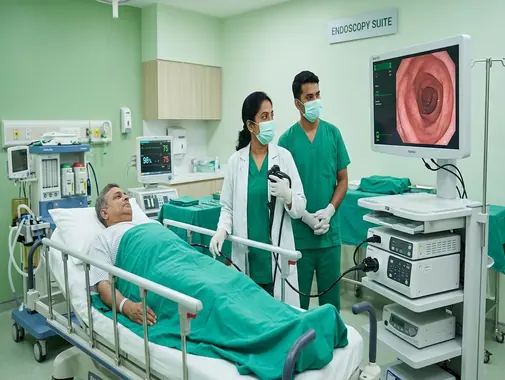
A colonoscopy is performed using a long, flexible instrument called a colonoscope, which contains a small camera and light. The instrument is carefully passed through the anus into the rectum and colon, allowing the doctor to directly examine the inner lining of the large intestine.
Colonoscopy is different from many imaging tests because it can be both diagnostic and therapeutic.
During the same procedure, the gastroenterologist may be able to:
-
Examine the entire colon
-
Identify abnormal tissue
-
Take biopsies
-
Remove selected polyps
-
Assess inflammation
-
Identify sources of bleeding
-
Evaluate suspicious lesions
-
Perform selected therapeutic interventions
The National Institute of Diabetes and Digestive and Kidney Diseases describes colonoscopy as direct examination of the rectum and colon using a flexible camera and notes that it can identify inflamed tissue, ulcers, polyps, and cancer.
At AS Medical Complex, colonoscopy should be recommended according to the patient’s symptoms, age, personal and family history, previous test results, medical conditions, and individual colorectal-cancer risk.
Our Colonoscopy Services
Depending on clinical need and available facilities, the Colonoscopy Service at AS Medical Complex may provide assessment for:
-
Diagnostic colonoscopy
-
Colorectal cancer screening
-
Colorectal polyp detection
-
Polyp removal
-
Polypectomy
-
Colon and rectal biopsy
-
Rectal bleeding assessment
-
Blood in stool
-
Positive stool-test follow-up
-
Unexplained iron-deficiency anemia
-
Persistent bowel-habit changes
-
Chronic diarrhea assessment
-
Selected constipation assessment
-
Persistent lower abdominal symptoms
-
Unexplained weight loss with bowel symptoms
-
Inflammatory bowel disease assessment
-
Ulcerative colitis evaluation
-
Crohn’s disease involving the colon
-
Colitis assessment
-
Diverticular disease assessment
-
Surveillance after previous polyps
-
Follow-up after previous colorectal cancer
-
Evaluation of abnormal CT or other imaging
-
Evaluation of abnormal colorectal screening tests
-
Assessment of selected colon lesions
-
Post-treatment follow-up
-
Colonoscopy second opinions
The exact procedure, biopsy, polyp-removal technique, sedation plan, and follow-up required depend on the patient’s clinical condition and the facilities available at AS Medical Complex.
What Is a Colonoscopy?
A colonoscopy is an endoscopic examination of the rectum and colon, which form most of the large intestine.
During the procedure, the gastroenterologist passes a colonoscope through the anus and gradually advances it through the colon.
The camera provides real-time images of the bowel lining on a monitor.
Colonoscopy can help identify:
-
Polyps
-
Inflammation
-
Ulcers
-
Bleeding
-
Abnormal tissue
-
Narrowing
-
Selected structural abnormalities
-
Colorectal tumors
It also allows the doctor to obtain tissue samples when necessary.
NIDDK confirms that colonoscopy can directly show irritated or swollen tissue, ulcers, polyps, and colorectal cancer.
The Colon & Rectum
The large intestine includes several major sections:
-
Cecum
-
Ascending colon
-
Transverse colon
-
Descending colon
-
Sigmoid colon
-
Rectum
The colon absorbs water and helps process intestinal contents before stool passes through the rectum and anus.
Diseases affecting different areas of the colon can produce symptoms such as:
-
Rectal bleeding
-
Diarrhea
-
Constipation
-
Abdominal discomfort
-
Change in bowel habits
-
Anemia
-
Weight loss
Colonoscopy allows the doctor to examine the bowel lining directly rather than relying only on symptoms or external imaging.
Why Is Colonoscopy Performed?
A doctor may recommend colonoscopy to investigate symptoms such as:
-
Rectal bleeding
-
Blood mixed with stool
-
Persistent change in bowel habits
-
Persistent diarrhea
-
Selected unexplained constipation
-
Abdominal pain
-
Unexplained weight loss
-
Iron-deficiency anemia
-
Abnormal stool testing
-
Abnormal imaging
NIDDK specifically identifies rectal bleeding, bowel-habit changes, abdominal pain, and unexplained weight loss among common reasons for diagnostic colonoscopy.
Colonoscopy can also be used for:
-
Colorectal cancer screening
-
Polyp surveillance
-
Follow-up after previous colorectal cancer
-
Assessment of inflammatory bowel disease
Diagnostic Colonoscopy
A diagnostic colonoscopy is performed because a patient has symptoms, an abnormal investigation, or another clinical concern.
Examples include:
-
Visible blood in stool
-
Persistent rectal bleeding
-
Positive stool blood test
-
Unexplained iron-deficiency anemia
-
Persistent bowel changes
-
Abnormal CT findings
-
Suspected inflammatory bowel disease
-
Previously identified colorectal abnormality
Diagnostic colonoscopy differs from routine screening because the patient already has a symptom or abnormal finding that requires investigation.
Screening Colonoscopy
Screening means testing a person who does not currently have symptoms in order to identify colorectal polyps or cancer at an earlier stage.
Colorectal cancer often begins from abnormal growths known as polyps, and finding and removing selected precancerous polyps can reduce the chance that they progress to cancer.
Several international guidelines recommend beginning average-risk colorectal screening around the mid-40s. However, the most appropriate age and method for an individual patient should take into account:
-
Local clinical guidance
-
Age
-
Family history
-
Previous polyps
-
Previous colorectal cancer
-
Inflammatory bowel disease
-
Genetic risk
-
General health
-
Previous screening
Patients at increased risk may require assessment earlier or more frequently than average-risk individuals.
Colonoscopy Is One Screening Option
Colonoscopy is an important colorectal screening method, but it is not the only option.
Other screening approaches can include:
-
Fecal Immunochemical Test – FIT
-
Other stool blood tests
-
Stool DNA-based testing where available
-
Flexible sigmoidoscopy
-
CT colonography in selected settings
NCI identifies stool-based tests, colonoscopy, sigmoidoscopy, and CT colonography among recognized colorectal screening approaches.
The best option depends on the patient’s risk, preferences, medical history, available services, and whether direct examination or polyp removal is likely to be required.
Positive Stool Test
A positive colorectal screening stool test does not automatically mean that the patient has colorectal cancer.
Blood or other abnormalities can arise from different conditions.
However, an abnormal stool screening result commonly requires colonoscopy so that the colon can be directly examined.
NCI notes that a positive non-colonoscopy colorectal screening test generally requires follow-up colonoscopy.
Colon Polyps
What Are Colon Polyps?
Colon polyps are abnormal growths that develop on the inner surface of the colon or rectum.
Many polyps are benign.
However, certain types can gradually develop precancerous changes and may eventually become colorectal cancer.
Most patients with colon polyps do not experience obvious symptoms.
Colonoscopy is therefore important because polyps can often be identified before they cause symptoms.
Why Are Polyps Important?
Not every polyp becomes cancer.
However, many colorectal cancers begin as polyps.
Removing appropriate polyps can therefore play an important role in colorectal cancer prevention.
After removal, the polyp is usually sent to Pathology.
The pathology report helps determine:
-
Type of polyp
-
Whether precancerous changes are present
-
Whether cancer is present
-
Whether further treatment is required
-
Appropriate surveillance interval
Polypectomy
Polypectomy means removal of a colon polyp.
Specialized instruments can be passed through the colonoscope to remove many polyps during the same procedure.
Techniques may vary depending on:
-
Polyp size
-
Shape
-
Location
-
Appearance
-
Bleeding risk
NIDDK states that most colon polyps can be removed using specialized instruments during colonoscopy or sigmoidoscopy without requiring conventional surgery.
Large, difficult, or suspicious lesions may require advanced endoscopic assessment or surgical treatment.
Pathology After Polyp Removal
Removed polyps are sent to the Pathology laboratory.
A pathologist examines the tissue under a microscope.
The report may identify:
-
Hyperplastic polyp
-
Adenomatous polyp
-
Serrated lesion
-
Dysplasia
-
Cancer
-
Other tissue changes
The exact surveillance plan depends on the final pathology, number of polyps, size, completeness of removal, quality of the colonoscopy, and other clinical factors.
Follow-Up After Colon Polyps
Patients who have previously developed polyps may require repeat colonoscopy.
The timing should be individualized based on:
-
Number of polyps
-
Size
-
Histology
-
Dysplasia
-
Quality of bowel preparation
-
Completeness of removal
-
Family history
-
Previous colorectal cancer
A history of polyps can increase the likelihood of developing additional polyps in the future.
Patients should therefore follow the surveillance interval recommended by their gastroenterologist rather than choosing an arbitrary schedule.
Rectal Bleeding
Rectal bleeding can appear as:
-
Bright-red blood
-
Blood mixed with stool
-
Blood on toilet paper
-
Darker blood
-
Recurrent unexplained bleeding
Possible causes include:
-
Hemorrhoids
-
Anal fissure
-
Polyps
-
Colitis
-
Diverticular disease
-
Colorectal tumors
-
Other gastrointestinal conditions
Even when hemorrhoids are suspected, persistent or unexplained bleeding may require further assessment depending on the patient’s age, symptoms, risk factors, and clinical findings.
Blood in Stool
Blood can sometimes be visible, while in other cases it is present in amounts too small to see.
Occult blood may be detected using stool-based screening tests.
A positive stool blood test can occur because of conditions other than cancer, but abnormal screening results require appropriate follow-up.
Iron-Deficiency Anemia
Chronic gastrointestinal blood loss can sometimes cause iron-deficiency anemia.
Symptoms may include:
-
Fatigue
-
Weakness
-
Reduced exercise tolerance
-
Shortness of breath
-
Dizziness
-
Pale appearance
When unexplained iron-deficiency anemia raises concern about gastrointestinal blood loss, evaluation may include:
-
Blood tests
-
Upper GI endoscopy
-
Colonoscopy
-
Other investigations
depending on the patient.
Colonoscopy is particularly important when a lower gastrointestinal source needs to be excluded.
Changes in Bowel Habits
A persistent bowel-habit change may include:
-
New persistent diarrhea
-
New persistent constipation
-
Alternating diarrhea and constipation
-
Change in stool frequency
-
Change in stool form
-
Persistent urgency
Many bowel-habit changes are caused by benign conditions.
However, persistent unexplained changes—particularly when combined with blood, anemia, weight loss, or significant abdominal symptoms—may require investigation.
Chronic Diarrhea
Chronic diarrhea can have many causes.
Possible conditions include:
-
Infection
-
Medication effects
-
Irritable bowel syndrome
-
Inflammatory bowel disease
-
Microscopic colitis
-
Malabsorption
-
Other digestive diseases
Colonoscopy may be useful when the doctor needs to inspect the colon or obtain biopsies.
Importantly, some conditions such as microscopic colitis may require biopsies even when the bowel lining appears relatively normal during colonoscopy.
Constipation & Colonoscopy
Most constipation does not automatically require colonoscopy.
Assessment may initially involve:
-
Medical history
-
Dietary review
-
Medication review
-
Physical examination
-
Laboratory tests
-
Other appropriate investigations
Colonoscopy may be considered when constipation is associated with concerning features such as:
-
Rectal bleeding
-
Unexplained anemia
-
Significant weight loss
-
New persistent bowel change
-
Abnormal imaging
-
Other clinical warning signs
The decision should be individualized.
Abdominal Pain
Abdominal pain has many possible causes.
Colonoscopy may be appropriate when symptoms suggest a condition involving the colon or when other findings justify direct bowel examination.
However, colonoscopy is not the correct test for every form of abdominal pain.
Depending on the presentation, the patient may instead require:
-
Ultrasound
-
CT
-
Upper GI endoscopy
-
Laboratory testing
-
Other gastrointestinal assessment
The Gastroenterology team determines the most appropriate investigation.
Unexplained Weight Loss
Unintentional weight loss can have many causes.
When it is accompanied by symptoms such as:
-
Persistent bowel change
-
Rectal bleeding
-
Anemia
-
Abdominal symptoms
-
Reduced appetite
the doctor may recommend further gastrointestinal evaluation, including colonoscopy where appropriate.
Inflammatory Bowel Disease
Inflammatory Bowel Disease includes conditions such as:
-
Ulcerative colitis
-
Crohn’s disease
These diseases can cause chronic inflammation within the digestive tract.
Symptoms may include:
-
Diarrhea
-
Blood in stool
-
Abdominal pain
-
Urgency
-
Weight loss
-
Fatigue
Colonoscopy can help assess the intestinal lining and obtain biopsies.
Ulcerative Colitis
Ulcerative colitis primarily affects the colon and rectum.
Colonoscopy may help:
-
Establish the diagnosis
-
Determine how much of the colon is affected
-
Assess severity
-
Obtain biopsies
-
Evaluate selected complications
-
Monitor certain patients over time
NIDDK states that colonoscopy with biopsies is used to diagnose ulcerative colitis, evaluate its extent, and distinguish it from other digestive conditions.
Crohn’s Disease
Crohn’s disease can affect different parts of the gastrointestinal tract.
When the colon or terminal ileum is involved, colonoscopy may provide important information.
The doctor may assess:
-
Inflammation
-
Ulcers
-
Narrowing
-
Distribution of disease
-
Other abnormalities
Biopsy findings are considered together with symptoms, laboratory tests, imaging, and other investigations.
Biopsy During Colonoscopy
A biopsy involves taking a very small tissue sample from the bowel lining.
Biopsies may be taken from:
-
Visible abnormalities
-
Inflamed tissue
-
Ulcers
-
Suspicious lesions
-
Apparently normal tissue when a microscopic disease is suspected
The patient generally does not feel the biopsy itself during the procedure.
Why Is a Colon Biopsy Taken?
Biopsy can help diagnose or investigate:
-
Colitis
-
Inflammatory bowel disease
-
Microscopic colitis
-
Abnormal lesions
-
Precancerous tissue
-
Colorectal cancer
-
Other bowel disorders
The sample is sent to Pathology for microscopic examination.
A biopsy does not automatically mean that cancer is present.
Diverticular Disease
Diverticula are small pouches that can develop in the wall of the colon.
Many people with diverticula have no symptoms.
Some develop:
-
Abdominal discomfort
-
Bowel-habit changes
-
Diverticular bleeding
-
Diverticulitis
Colonoscopy may be used in selected patients to evaluate the colon, but the timing depends on the clinical situation.
Acute severe diverticulitis is generally evaluated and treated appropriately before elective colonoscopic assessment is considered.
Colorectal Cancer
Colorectal cancer develops in the colon or rectum.
Many colorectal cancers begin from abnormal growths known as polyps.
Possible symptoms may include:
-
Blood in stool
-
Persistent bowel-habit change
-
Unexplained anemia
-
Abdominal symptoms
-
Unexplained weight loss
-
Fatigue
However, early colorectal cancer may not cause obvious symptoms.
This is why appropriate screening can be important.
Colonoscopy & Colorectal Cancer Diagnosis
When colonoscopy identifies a suspicious lesion, the doctor can obtain tissue samples.
Pathology is then used to determine whether cancer is present.
If colorectal cancer is confirmed, additional investigations may be required for staging and treatment planning.
These may include:
-
CT imaging
-
MRI in selected rectal cancers
-
Laboratory tests
-
Surgical assessment
-
Oncology assessment
-
Additional specialist investigations
Colonoscopy establishes important information but does not replace full cancer staging.
Colorectal Cancer Treatment Coordination
If colorectal cancer is diagnosed, treatment may require coordination between:
-
Gastroenterology
-
General & Laparoscopic Surgery
-
Oncology
-
Radiology
-
Pathology
-
Anesthesia
-
Diet & Nutrition
-
Other relevant departments
Treatment depends on:
-
Tumor location
-
Stage
-
Pathology
-
Patient health
-
Surgical requirements
-
Other clinical factors
Family History & Colonoscopy
A family history of colorectal cancer or advanced polyps may increase a person’s risk.
The doctor may ask:
-
Which family member was affected
-
Age at diagnosis
-
Number of relatives affected
-
Whether colorectal polyps were present
-
Whether other related cancers occurred in the family
Patients with significant family history may require earlier or more frequent screening than average-risk individuals.
Genetic Colorectal Cancer Risk
Some inherited conditions increase colorectal-cancer risk.
Examples include:
-
Lynch syndrome
-
Familial Adenomatous Polyposis
-
Other hereditary colorectal cancer syndromes
Patients with suspected hereditary risk may require:
-
Genetic counseling
-
Earlier colonoscopy
-
More frequent surveillance
-
Assessment of family members
-
Other preventive strategies
A specialist plan should be individualized.
Previous Colorectal Cancer
Patients previously treated for colorectal cancer may require follow-up colonoscopy as part of surveillance.
The schedule depends on:
-
Original cancer
-
Surgery performed
-
Previous colonoscopy findings
-
Polyps
-
Oncology plan
-
Other risk factors
Follow-up should be coordinated with the treating cancer and surgical teams.
Colonoscopy vs Flexible Sigmoidoscopy
These procedures examine different amounts of the large intestine.
Colonoscopy
Examines:
-
Rectum
-
Entire colon
Flexible Sigmoidoscopy
Examines:
-
Rectum
-
Lower portion of the colon
NCI notes that colonoscopy examines the entire colon and rectum, while sigmoidoscopy examines mainly the rectum and sigmoid colon.
Colonoscopy therefore provides a more complete direct examination of the large intestine.
Colonoscopy vs CT Colonography
CT colonography—sometimes called virtual colonoscopy—uses CT images rather than an endoscope to examine the colon.
It may be an option for selected patients.
However, if CT colonography identifies a polyp or other abnormality, standard colonoscopy is generally required for biopsy or removal.
Standard colonoscopy has the important advantage of allowing diagnosis and treatment during the same procedure.
Colonoscopy vs Upper GI Endoscopy
Colonoscopy and upper GI endoscopy examine different parts of the digestive system.
Upper GI Endoscopy Examines
-
Esophagus
-
Stomach
-
Duodenum
Colonoscopy Examines
-
Rectum
-
Colon
Some patients with anemia, gastrointestinal bleeding, or other symptoms may require both procedures.
The gastroenterologist determines which investigation is appropriate.
Preparing for Colonoscopy
Successful colonoscopy requires good bowel preparation.
Stool remaining inside the colon can hide:
-
Small polyps
-
Flat lesions
-
Areas of inflammation
-
Other abnormalities
Poor bowel preparation can make the examination incomplete and may require the procedure to be repeated.
NIDDK emphasizes that a properly cleansed colon is necessary so the doctor can clearly examine the bowel lining.
Medical Review Before Colonoscopy
Before the procedure, tell the medical team about:
-
Heart disease
-
Lung disease
-
Kidney disease
-
Diabetes
-
Previous stroke
-
Bleeding disorders
-
Previous bowel surgery
-
Previous colonoscopy problems
-
Allergies
-
Pregnancy where relevant
-
Current medications
-
Supplements
-
Blood-thinning medicines
-
Previous anesthesia or sedation problems
The bowel-preparation and medication plan may need to be adjusted according to these factors.
Bowel Preparation
The bowel must be emptied before colonoscopy.
Patients generally receive written instructions for bowel preparation.
Depending on the preparation prescribed, this may involve:
-
Dietary changes
-
Clear liquids
-
Oral laxative solution
-
Tablets or powder preparations
-
Split-dose bowel preparation
-
Other instructions
NIDDK notes that bowel-preparation regimens may use liquid, powder, or tablet laxatives and are commonly taken according to a scheduled plan before the procedure.
Follow the specific preparation prescribed by AS Medical Complex rather than using a bowel-cleaning product independently.
Why Good Bowel Preparation Matters
Inadequate bowel cleansing can:
-
Hide polyps
-
Hide cancerous lesions
-
Reduce diagnostic accuracy
-
Prolong the procedure
-
Prevent completion
-
Require repeat colonoscopy
The goal is for the colon to be sufficiently clean for careful examination.
Patients who cannot complete the preparation because of vomiting, severe symptoms, or another problem should contact the healthcare team for advice.
Diet Before Colonoscopy
Dietary instructions vary according to the bowel-preparation plan.
Patients may be instructed to:
-
Reduce certain high-fiber foods for a period before the procedure
-
Follow a clear-liquid diet at a specified stage
-
Stop solid foods at a particular time
NIDDK notes that some bowel-preparation instructions limit high-fiber foods and require clear liquids before the procedure.
Follow your individual written instructions exactly.
Clear Liquids
Depending on the preparation plan, permitted clear liquids may include selected:
-
Water
-
Clear broth
-
Pulp-free clear juices
-
Plain tea or coffee without milk or cream
-
Other specifically permitted clear fluids
Patients may be advised to avoid certain strongly colored liquids.
The hospital’s bowel-preparation instructions should always take priority.
Fasting Before Colonoscopy
Patients must stop eating and drinking according to the specific instructions provided by the endoscopy and anesthesia team.
This is important for both:
-
Bowel visualization
-
Sedation or anesthesia safety
Do not assume that the fasting schedule from another procedure applies to colonoscopy.
Blood-Thinning Medicines
Patients taking anticoagulant or antiplatelet medicines should inform the medical team before colonoscopy.
Examples may include medicines prescribed for:
-
Atrial fibrillation
-
Previous stroke
-
Blood clots
-
Coronary stents
-
Heart disease
-
Other conditions
Whether medication needs adjustment depends on:
-
Why it is being taken
-
Which medicine is used
-
Whether biopsy is anticipated
-
Whether polyp removal may be required
-
Risk of bleeding
-
Risk of stopping treatment
Do not stop blood thinners independently.
Diabetes & Colonoscopy Preparation
Bowel preparation changes normal food intake and can affect blood-glucose levels.
Patients with diabetes may therefore require individualized instructions regarding:
-
Insulin
-
Oral diabetes medicines
-
Meal timing
-
Clear liquids
-
Glucose monitoring
Do not independently change diabetes medication without appropriate medical advice.
Kidney Disease & Bowel Preparation
Patients with kidney disease should inform their doctor before starting bowel preparation.
Certain bowel-preparation products or significant dehydration may require special consideration.
The treating team should select an appropriate preparation based on the patient’s medical condition.
Medicines & Supplements
Provide a complete list of:
-
Prescription medicines
-
Over-the-counter medicines
-
Vitamins
-
Iron
-
Herbal products
-
Supplements
Certain medicines or supplements may require adjustment before colonoscopy.
Changes should only be made according to medical instructions.
Sedation During Colonoscopy
Many colonoscopies are performed using sedation or anesthesia so that the patient remains comfortable.
NIDDK notes that an intravenous line is commonly used to administer sedative, anesthesia, or pain medication during colonoscopy.
The exact technique depends on:
-
Patient health
-
Type of procedure
-
Expected therapeutic intervention
-
Previous sedation history
-
Anesthesia assessment
-
Hospital protocol
Colonoscopy & Anesthesia
Some patients may require dedicated anesthesia support.
Factors may include:
-
Significant heart disease
-
Significant lung disease
-
Sleep apnea
-
Previous sedation problems
-
Complex medical history
-
Advanced therapeutic procedure
-
Other clinical considerations
Where necessary, care can be coordinated with the Anesthesia Department.
What Happens During Colonoscopy?
During the procedure:
-
The patient is positioned appropriately.
-
Monitoring is applied.
-
Sedation or anesthesia may be administered.
-
The colonoscope is passed through the anus.
-
The rectum is examined.
-
The instrument is carefully advanced through the colon.
-
The bowel is gently expanded to improve visualization.
-
The lining is inspected carefully.
-
Biopsies may be taken.
-
Polyps may be removed.
-
Images may be documented.
The scope is then gradually withdrawn while the colon is inspected again.
NIDDK describes this same general process and notes that the camera transmits images to a monitor while the doctor examines the colon and rectum.
How Long Does Colonoscopy Take?
A routine colonoscopy itself often takes less than an hour, although duration varies according to:
-
Anatomy
-
Bowel preparation
-
Number of polyps
-
Biopsy requirements
-
Therapeutic procedures
-
Technical difficulty
NIDDK notes that the procedure itself commonly takes under an hour.
However, the total hospital visit is longer because it includes:
-
Registration
-
Assessment
-
Preparation
-
Sedation
-
Procedure
-
Recovery
-
Discharge instructions
What Does the Doctor Look For?
The gastroenterologist examines the bowel lining for:
-
Polyps
-
Masses
-
Inflammation
-
Ulcers
-
Bleeding
-
Diverticula
-
Narrowing
-
Abnormal vascular patterns
-
Other lesions
The doctor may document location, size, number, and appearance of relevant abnormalities.
Incomplete Colonoscopy
Occasionally the entire colon cannot be examined.
Possible reasons include:
-
Inadequate bowel preparation
-
Severe narrowing
-
Difficult anatomy
-
Significant patient intolerance
-
Technical limitations
-
Other medical issues
If colonoscopy is incomplete, the doctor may recommend:
-
Repeat colonoscopy
-
Different preparation
-
Alternative imaging
-
Another endoscopic approach
depending on the reason.
After Colonoscopy
After the procedure, the patient is monitored while sedation wears off.
Temporary symptoms can include:
-
Bloating
-
Gas
-
Mild abdominal cramping
-
Drowsiness
NIDDK notes that mild bloating or abdominal cramping can occur during early recovery.
Patients should follow all discharge instructions provided by the endoscopy team.
Going Home After Colonoscopy
If sedation or anesthesia has been used, patients generally require a responsible person to take them home.
Driving should be avoided until the sedative effects have worn off and the patient has followed the instructions provided by the medical team.
NIDDK recommends arranging transportation home in advance because sedation can impair the ability to drive safely.
Eating After Colonoscopy
Most patients can gradually return to their normal diet according to the medical team’s instructions.
Dietary advice may differ when:
-
A large polyp was removed
-
Another therapeutic procedure was performed
-
There are significant medical conditions
-
The doctor provides specific restrictions
Follow the discharge instructions for your individual procedure.
Colonoscopy Results
Some findings may be explained soon after the procedure.
The doctor may discuss:
-
Whether the colonoscopy was complete
-
Quality of bowel preparation
-
Polyps found
-
Polyps removed
-
Areas biopsied
-
Inflammation
-
Diverticula
-
Other abnormalities
-
Recommended follow-up
If tissue is sent to Pathology, the final diagnosis may not be available immediately.
Biopsy Results
A pathologist examines tissue removed during colonoscopy.
Results may take several days or longer depending on the tests required.
The final report should be reviewed by the treating doctor rather than interpreted only from isolated terminology.
Mild Bleeding After Biopsy or Polypectomy
A small amount of bleeding can sometimes occur after:
-
Biopsy
-
Polyp removal
NIDDK notes that light rectal bleeding may occur following biopsy or polyp removal.
However, persistent, heavy, or increasing bleeding requires medical assessment.
Risks of Colonoscopy
Colonoscopy is commonly performed, but no invasive procedure is completely without risk.
Possible complications include:
-
Bleeding
-
Perforation
-
Sedation reaction
-
Breathing problems
-
Cardiovascular problems related to sedation
-
Significant abdominal pain
-
Complications related to therapeutic procedures
NIDDK identifies bleeding, colon perforation, sedation reactions, and severe abdominal pain among recognized colonoscopy risks.
Risk depends partly on:
-
Patient age
-
Medical conditions
-
Medicines
-
Whether a biopsy is performed
-
Whether a polyp is removed
-
Size and location of lesions
-
Complexity of treatment
Colon Perforation
A perforation is a tear or hole in the wall of the colon.
It is uncommon but potentially serious.
Symptoms may include:
-
Severe or increasing abdominal pain
-
Fever
-
Significant abdominal swelling
-
Rapid deterioration
Some perforations can be managed endoscopically in selected settings, while others may require urgent surgery.
Bleeding After Polyp Removal
Bleeding can occur immediately or occasionally after a delay following polypectomy.
Seek medical advice for:
-
Persistent bleeding
-
Large amounts of blood
-
Dizziness
-
Weakness
-
Fainting
-
Severe abdominal pain
NIDDK notes that delayed bleeding can occur after colonoscopy and may occasionally require repeat endoscopic treatment.
Sedation Risks
Sedation can affect:
-
Breathing
-
Blood pressure
-
Heart rate
-
Consciousness
Risk may be higher in patients with:
-
Significant lung disease
-
Heart disease
-
Sleep apnea
-
Advanced age
-
Other serious medical conditions
Careful medical assessment and monitoring help reduce these risks.
When Should You Seek Urgent Care After Colonoscopy?
Seek immediate or prompt medical attention if you develop:
-
Severe abdominal pain
-
Increasing abdominal pain
-
Fever
-
Persistent heavy rectal bleeding
-
Bloody bowel movements that do not improve
-
Dizziness
-
Severe weakness
-
Fainting
-
Significant breathing difficulty
-
Rapid deterioration
NIDDK specifically identifies severe abdominal pain, fever, persistent bleeding, dizziness, and weakness as warning symptoms requiring urgent medical care after colonoscopy.
Colonoscopy & Gastroenterology
Colonoscopy is an important diagnostic and therapeutic procedure within Gastroenterology.
Patients may first be assessed by a gastroenterologist for symptoms such as:
-
Rectal bleeding
-
Chronic diarrhea
-
Unexplained anemia
-
Bowel-habit changes
-
Abdominal symptoms
-
Positive colorectal screening tests
The Gastroenterology team determines whether colonoscopy is the most appropriate next investigation.
Colonoscopy & Pathology
When biopsies or polyps are removed, Pathology becomes an essential part of diagnosis.
The pathologist may help identify:
-
Inflammation
-
Colitis
-
Precancerous polyps
-
Cancer
-
Other tissue abnormalities
The colonoscopy appearance and pathology report should be interpreted together.
Colonoscopy & General Surgery
Some abnormalities detected during colonoscopy may require surgical management.
Examples may include:
-
Confirmed colorectal cancer
-
Large lesions unsuitable for standard endoscopic removal
-
Significant strictures
-
Complications
-
Other structural bowel conditions
Care may then be coordinated with the General & Laparoscopic Surgery Department or another appropriate colorectal surgical service.
Colonoscopy & Oncology
If colorectal cancer is confirmed, Oncology may become involved in treatment planning.
Care can require coordination among:
-
Gastroenterology
-
Surgery
-
Oncology
-
Radiology
-
Pathology
-
Anesthesia
-
Other specialties
The treatment plan depends on the exact diagnosis and cancer stage.
Colonoscopy & Radiology
Some patients require both colonoscopy and medical imaging.
CT or MRI may help assess:
-
Structures outside the bowel lining
-
Complications
-
Tumor extent
-
Other abdominal disease
Colonoscopy and Radiology provide different information and frequently complement each other.
Colonoscopy & Inflammatory Bowel Disease Follow-Up
Patients with established inflammatory bowel disease may require colonoscopic follow-up to assess:
-
Disease activity
-
Extent
-
Mucosal healing
-
Complications
-
Dysplasia risk in selected long-standing disease
The frequency should be based on the diagnosis, duration, disease extent, previous findings, and specialist recommendations.
Colorectal Cancer Prevention
Appropriate colorectal screening is one part of prevention.
Other general health measures may include:
-
Avoiding smoking
-
Maintaining physical activity
-
Maintaining a healthy weight
-
Following balanced nutritional habits
-
Managing chronic disease
-
Following appropriate screening recommendations
Patients with high inherited risk require specialist strategies beyond lifestyle measures alone.
Who May Need Earlier Colorectal Assessment?
A patient may require earlier or more individualized assessment because of:
-
Strong family history
-
Previous colorectal cancer
-
Previous advanced polyps
-
Ulcerative colitis
-
Crohn’s disease affecting the colon
-
Lynch syndrome
-
Familial adenomatous polyposis
-
Other hereditary syndromes
-
Concerning symptoms
These patients should not rely solely on routine average-risk screening schedules.
When Should You Consider a Colonoscopy Consultation?
You may consider Gastroenterology or colonoscopy assessment if you have:
-
Rectal bleeding
-
Blood in stool
-
Positive stool screening test
-
Persistent change in bowel habits
-
Persistent unexplained diarrhea
-
Unexplained iron-deficiency anemia
-
Unexplained weight loss with bowel symptoms
-
Abnormal colorectal imaging
-
Previous colon polyps
-
Previous colorectal cancer
-
Inflammatory bowel disease
-
Significant family history
-
A condition for which your doctor recommends colorectal screening
-
A need for colonoscopy second opinion
When Is Emergency Care Needed Instead of Routine Colonoscopy?
Do not wait for a scheduled outpatient colonoscopy if you develop:
-
Heavy gastrointestinal bleeding
-
Severe abdominal pain
-
Significant abdominal swelling with severe illness
-
Repeated fainting
-
Severe weakness from suspected bleeding
-
Persistent vomiting with serious deterioration
-
Signs of shock
-
Other acute life-threatening symptoms
Emergency stabilization and appropriate urgent investigation should take priority over routine outpatient testing.
Long-Term Follow-Up
Not every patient requires frequent repeat colonoscopy.
Follow-up depends on:
-
Procedure findings
-
Bowel-preparation quality
-
Polyp pathology
-
Number and size of polyps
-
Family history
-
Inflammatory bowel disease
-
Previous colorectal cancer
-
Other risk factors
Some patients may require long-term surveillance, while others may not need another examination for several years.
At AS Medical Complex, our goal is to provide continuity from initial Gastroenterology consultation and bowel preparation through colonoscopic examination, biopsy or polyp removal when clinically appropriate, Pathology review, treatment planning, and long-term follow-up.
Colonoscopy FAQs
What is a colonoscopy?
A colonoscopy is a procedure that uses a long, flexible camera called a colonoscope to examine the inside of the rectum and entire colon. It can identify inflammation, ulcers, polyps, bleeding, and colorectal cancer and can also allow biopsy or polyp removal during the procedure.
Why might I need a colonoscopy?
A doctor may recommend colonoscopy because of rectal bleeding, a persistent bowel-habit change, abdominal symptoms, unexplained weight loss, anemia, an abnormal stool test, previous polyps, inflammatory bowel disease, or the need for appropriate colorectal-cancer screening.
Can polyps be removed during colonoscopy?
Yes. Many polyps can be removed during the same colonoscopy using specialized instruments. The removed tissue is then sent to Pathology to determine the type of polyp and whether abnormal or cancerous cells are present.
Why is bowel preparation so important?
The colon must be sufficiently clean for the doctor to see the bowel lining clearly. Remaining stool can hide small polyps or other abnormalities and may prevent completion of the examination. Patients should therefore follow the bowel-preparation instructions carefully.
Will I be awake during colonoscopy?
Many colonoscopies are performed using intravenous sedation, anesthesia, or pain medication to improve comfort. The exact approach depends on the procedure, patient health, and hospital protocol. Because sedative effects take time to wear off, patients generally need someone to take them home afterward.
Is colonoscopy safe?
Colonoscopy is widely performed, but it carries small risks. Important complications include bleeding, colon perforation, and reactions to sedation. The risk can be higher when therapeutic procedures such as removal of larger polyps are performed.
What symptoms after colonoscopy require urgent medical attention?
Seek prompt medical care if you develop severe or increasing abdominal pain, fever, persistent or heavy rectal bleeding, bloody bowel movements that do not improve, dizziness, severe weakness, fainting, or significant clinical deterioration after colonoscopy.
Colonoscopy Services at AS Medical Complex
The Colonoscopy Service at AS Medical Complex is committed to providing careful, patient-focused examination of the colon and rectum for both diagnostic and preventive purposes.
From rectal bleeding, persistent bowel-habit changes, chronic diarrhea, unexplained anemia, inflammatory bowel disease, abnormal stool tests, and abnormal imaging to colorectal polyps, biopsy, polyp removal, colorectal-cancer screening, and surveillance after previous polyps or cancer, our goal is to provide accurate endoscopic assessment and an individualized plan for each patient.
Colonoscopy also provides the important advantage of allowing selected abnormalities to be biopsied or removed during the same procedure, reducing the need for separate diagnostic procedures in many patients.
Patient safety, appropriate bowel preparation, careful medication review, suitable sedation, complete examination, Pathology review, and appropriate follow-up remain central to responsible colonoscopy care.
Book an appointment for Colonoscopy assessment at AS Medical Complex for rectal bleeding, blood in stool, persistent bowel changes, unexplained anemia, positive colorectal screening tests, colon polyps, inflammatory bowel disease assessment, colorectal-cancer screening, biopsy or polyp-removal evaluation, and Gastroenterology-directed colonoscopy.